For Homes and Tenants
A wall leak in your home shows up as a stain, a smell, or a higher water bill. We find the source, fix the pipe, and dry the cavity before we close the wall.
- Stain on a wall or ceiling
- Water bill jumped
- Musty smell in a room
Wall Pipe Leak Repair berwyn IL means finding the water hiding behind your plaster or drywall, opening the cavity, fixing the failed pipe, and drying the space before mold sets in. We handle wall water leak repair in berwyn for homeowners, landlords, and businesses across Cook County. If you see a stain spreading on a wall or hear water running when nothing is on, call us at (708) 776-9512.
 Find the wet zoneOpen one panelTest the repair
Every wall pipe repair service berwyn Illinois job includes leak detection, the repair itself, pressure testing, and drying the cavity. We tell you upfront what the repair covers and what would be an add-on, like drywall finishing or a pressure-reducing valve, so there are no surprises on the invoice.
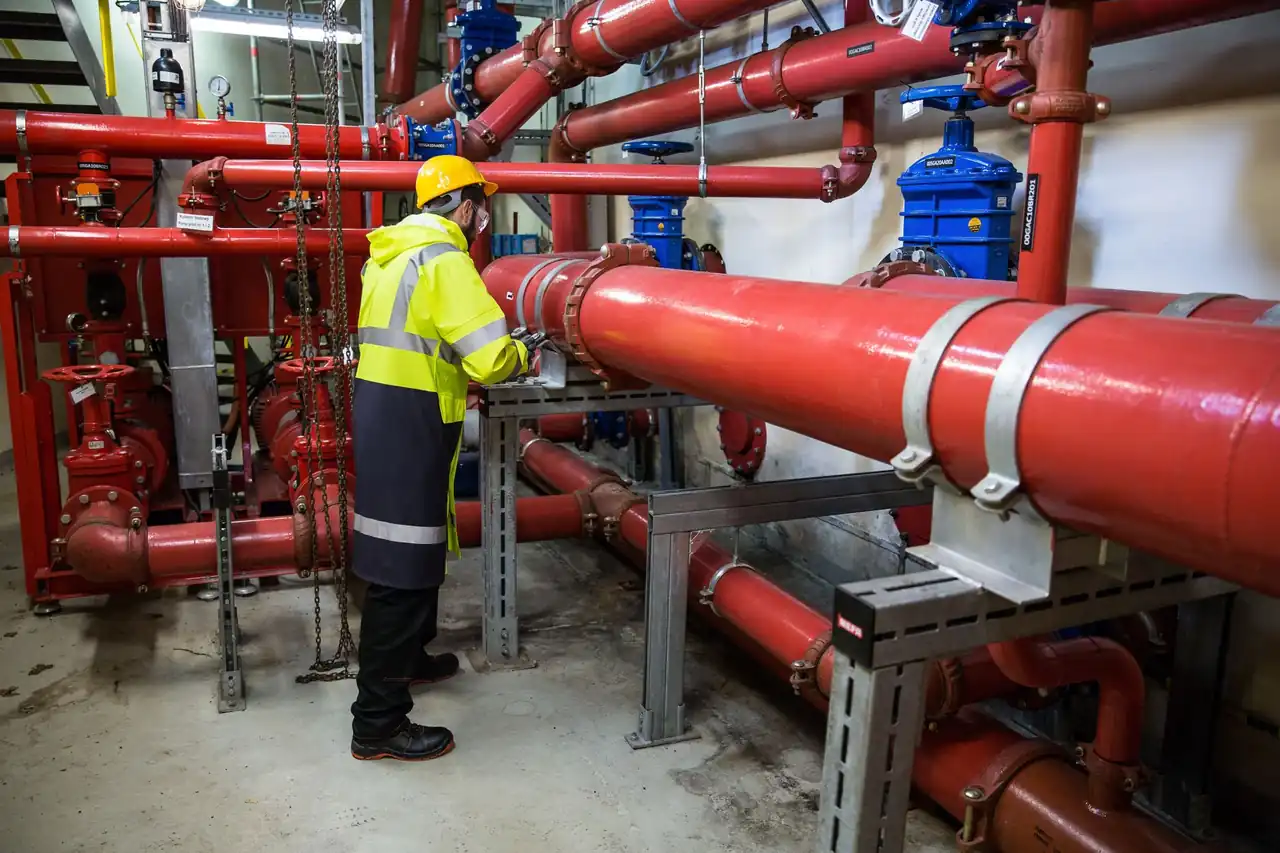
We run a thermal imaging camera and moisture meter along the suspect wall to find the wet zone. You see the readings before we cut. This is what keeps the access panel small and the repair targeted.
We cut out the failed section and install new copper, PEX, or CPVC pipe with proper fittings. Every joint is soldered or crimped to code. We carry SharkBite, Uponor, Mueller, Watts, and NIBCO parts on the truck.
After the repair, we pressurize the line and hold it for 15 minutes. If the gauge moves, we find out why before the wall goes back together. You get the test result in your written summary.
We remove wet insulation, set air movers, and check framing moisture until it reads dry. If the cavity is still damp, we leave the wall open and tell you what to do next. This is how we prevent mold after a leak.
We cut a clean panel, usually 12 by 12 inches, and patch the drywall when the repair is done. Sanding and a basic finish are included. Painting is not, but we tell you that before we start.
You get a short report: what failed, what we replaced, the pressure test result, and what to watch for. If the cause was high water pressure, we include the reading and what a fix would involve.
The approach is the same for a home and a business. What changes is the access, the schedule and who needs the paperwork.
A wall leak in your home shows up as a stain, a smell, or a higher water bill. We find the source, fix the pipe, and dry the cavity before we close the wall.
A wall leak in a commercial building threatens inventory and closes rooms. We isolate the leak, repair the pipe, and dry the cavity so you can stay open.
A plain-language look at what Wall Pipe Leak Repair involves and when it is needed.
See how it worksWall Pipe Leak Repair berwyn IL is the trade of locating water that has escaped a supply or drain line inside a wall cavity, opening the wall at the right spot, repairing or replacing the failed section of pipe, and drying the framing so the repair holds. We use a thermal imaging camera and leak detection equipment to find the wet zone before we cut. Then we open a small access panel, fix the pipe, and close it back up.
In a wall water leak repair berwyn IL job, the culprit is usually a corroded galvanized steel pipe in a 1920s bungalow or a failed copper joint behind a kitchen wall. We also see PEX tubing rubbed through by a nail plate in newer remodels.
A wall leak is found with a camera, fixed at the pipe, and dried before the wall goes back.
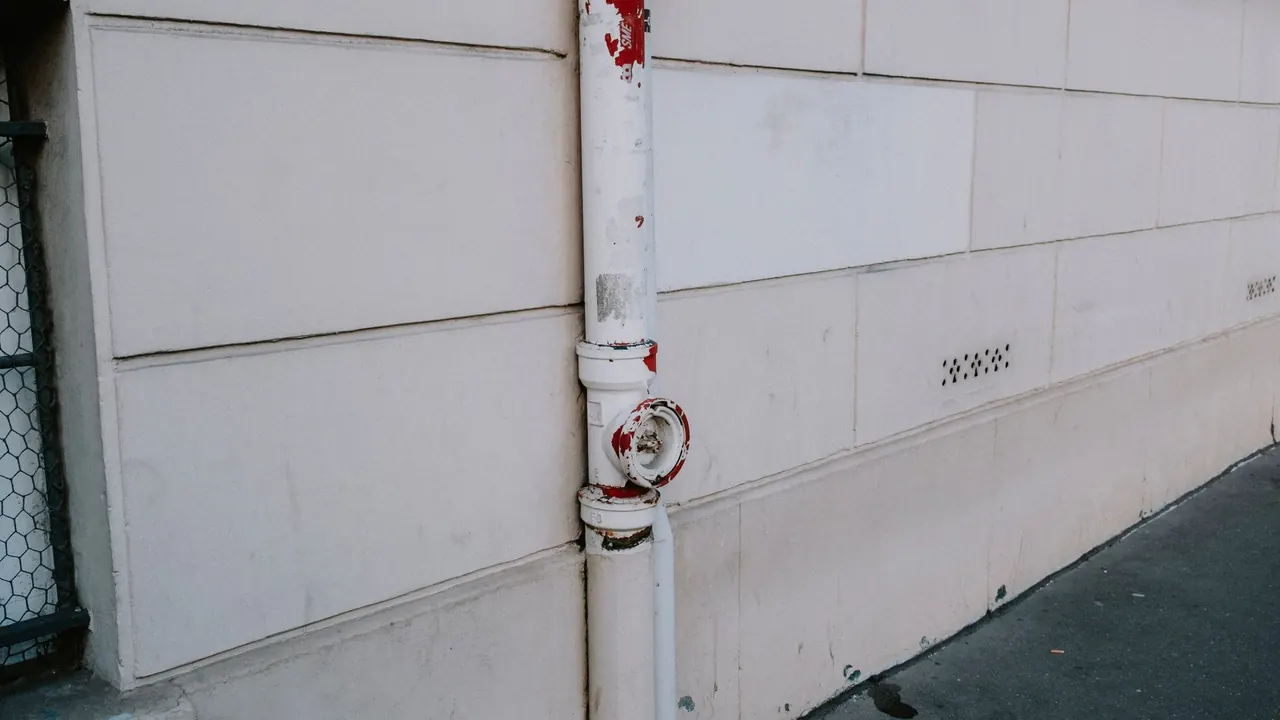
Every job follows the same five steps. You will know what is happening, what it costs, and when we will be out of your house.
You call (708) 776-9512 and describe what you see. We ask three questions: where is the stain, is the water running, and can you shut the main. If it is an active leak, we walk you to the water shutoff valve key location and get a tech rolling. Most berwyn calls get a same-day window.
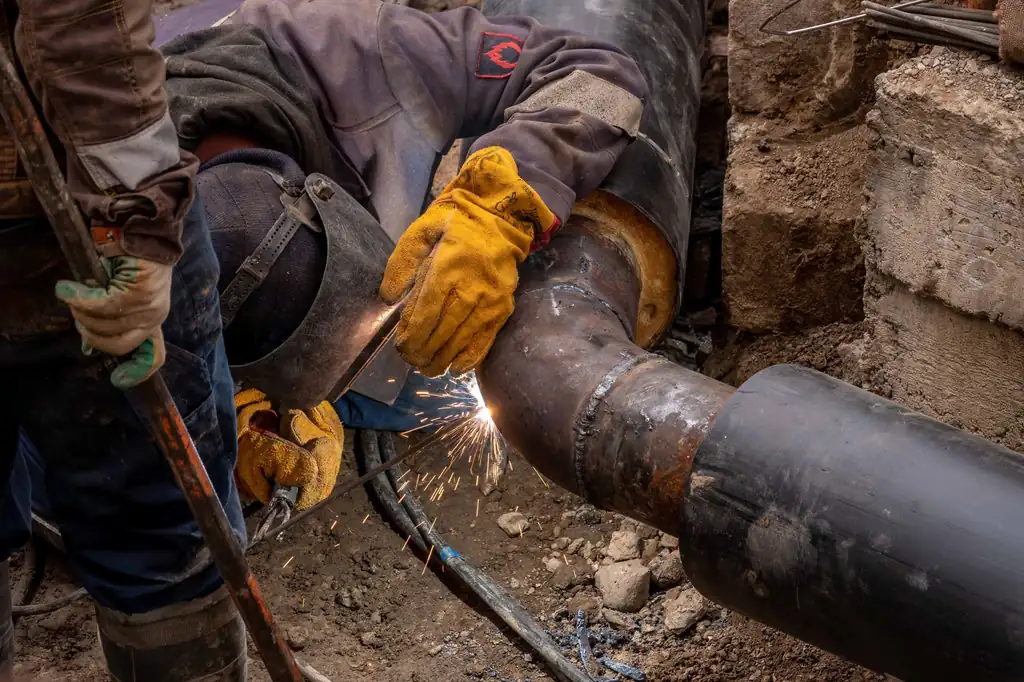
On arrival, we walk the space with you, then run a thermal imaging camera along the suspect wall and check baseboards with a moisture meter. This takes 20 to 40 minutes. We mark the wet zone with tape and explain what we found before we cut anything.
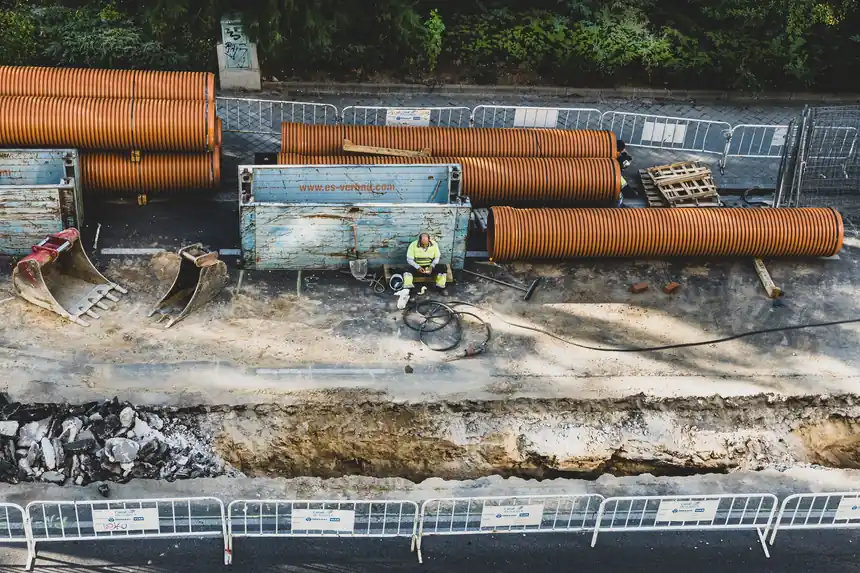
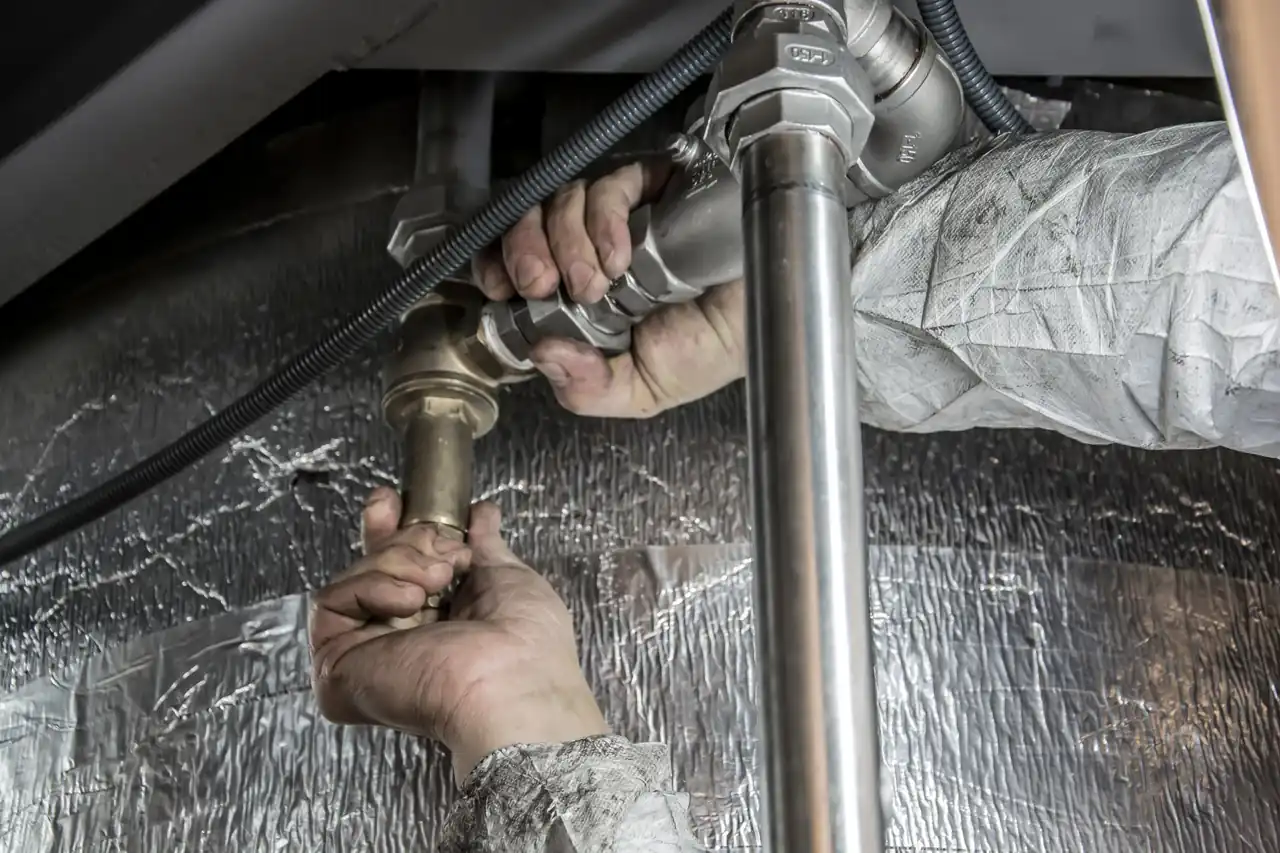
We cut a clean access panel, usually 12 by 12 inches, and use a wet/dry vacuum to pull standing water. Then we cut out the failed pipe section with a pipe cutter and install new copper or PEX tubing. A soldering torch or PEX crimping tool handles the connection. This step runs one to three hours.
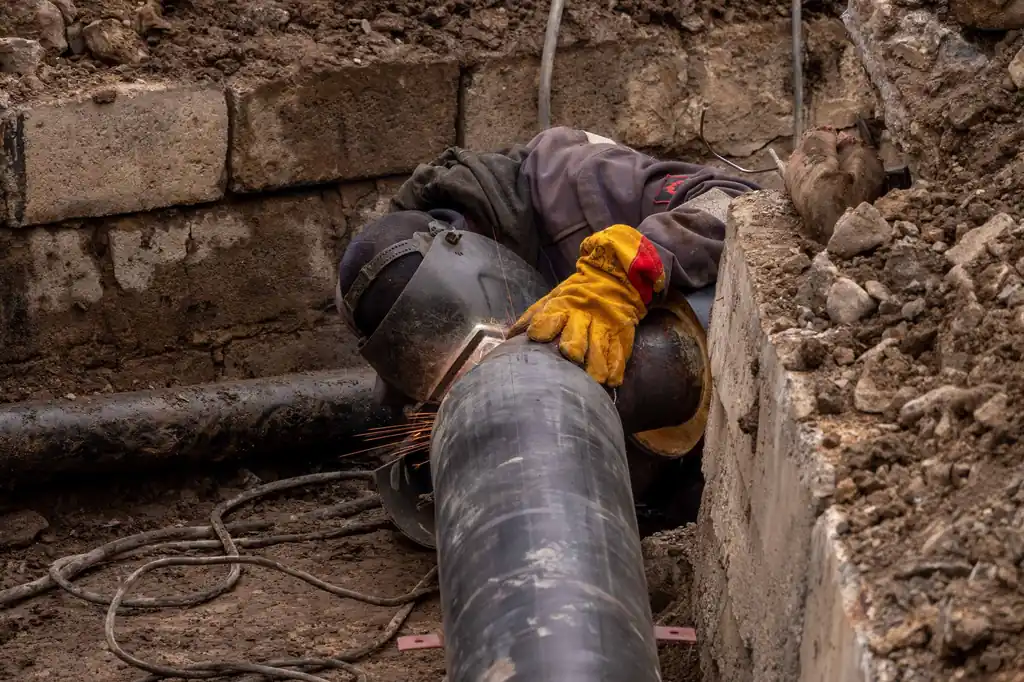
We pressurize the line and watch the gauge for 15 minutes. Then we set air movers on the cavity and check framing moisture every hour until it reads dry. If insulation is soaked, we remove it and bag it. You get a photo of the repair before the wall is closed.
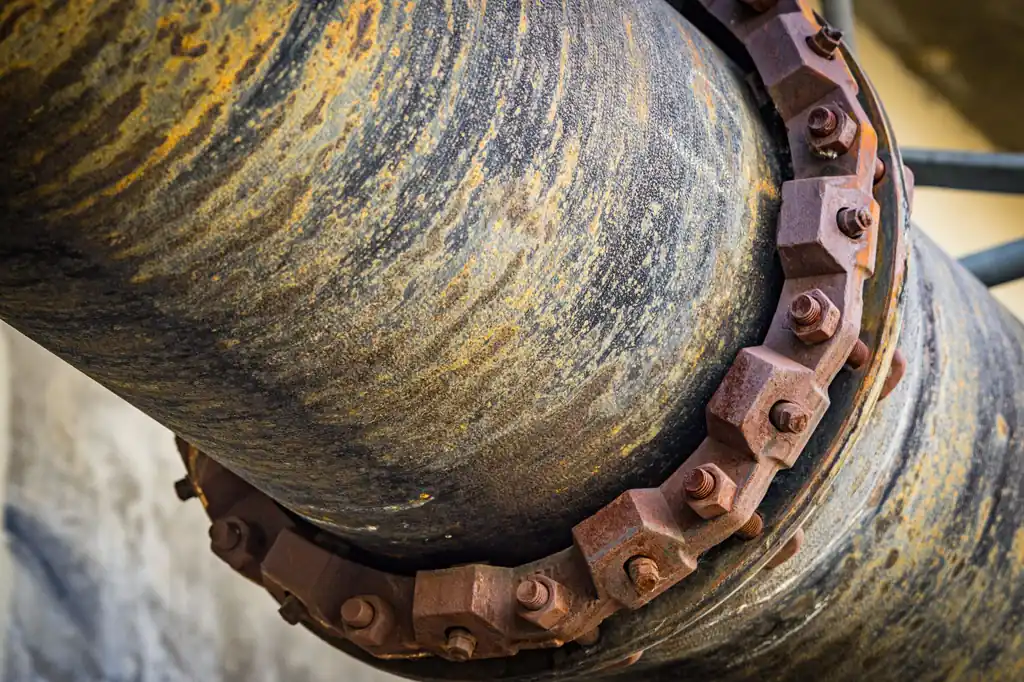
We patch the drywall, sand it smooth, and leave the area clean. You get a written summary of what failed, what we replaced, and what to watch for. If the leak was caused by high water pressure, we tell you the reading and what a pressure-reducing valve would cost to install.
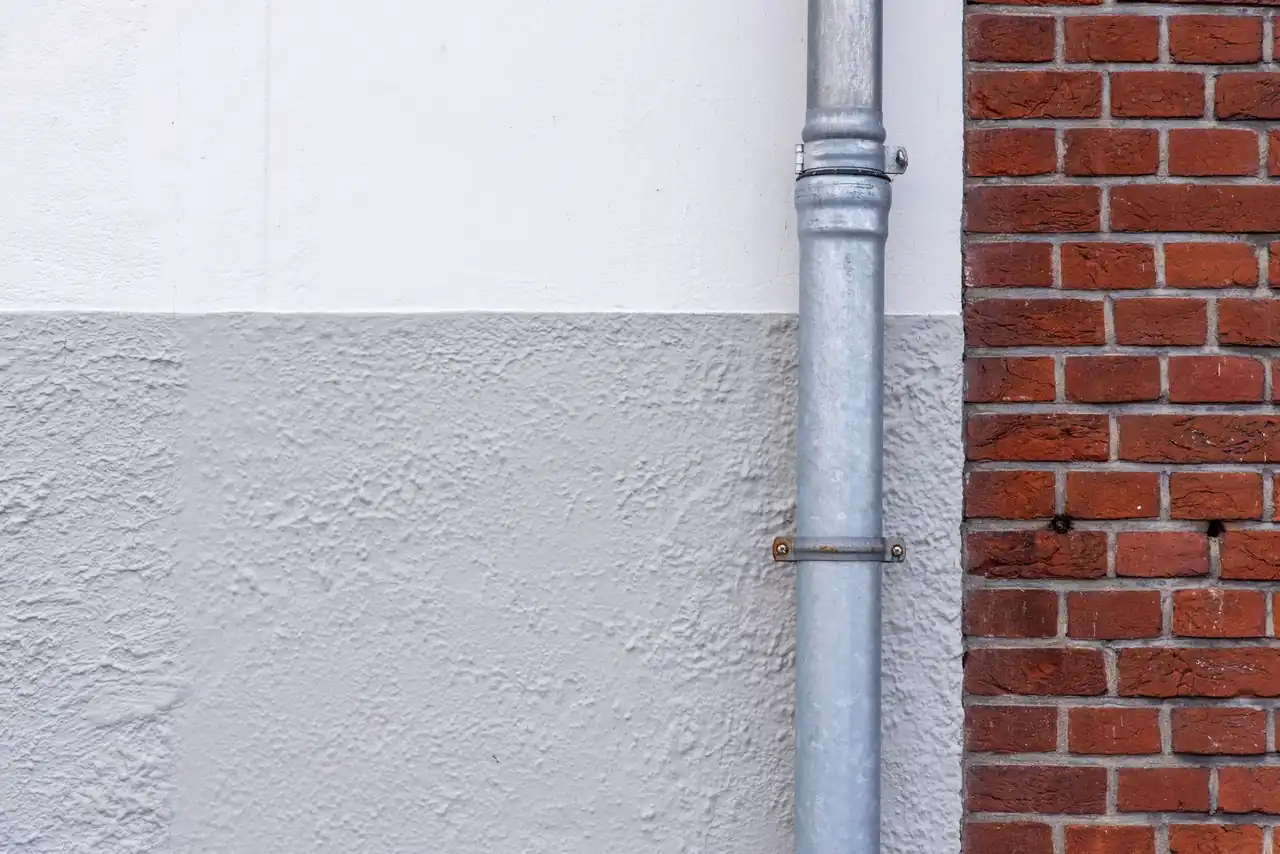
Move across a circle, or focus it and press Enter, for an illustrative thermal view of the photograph.
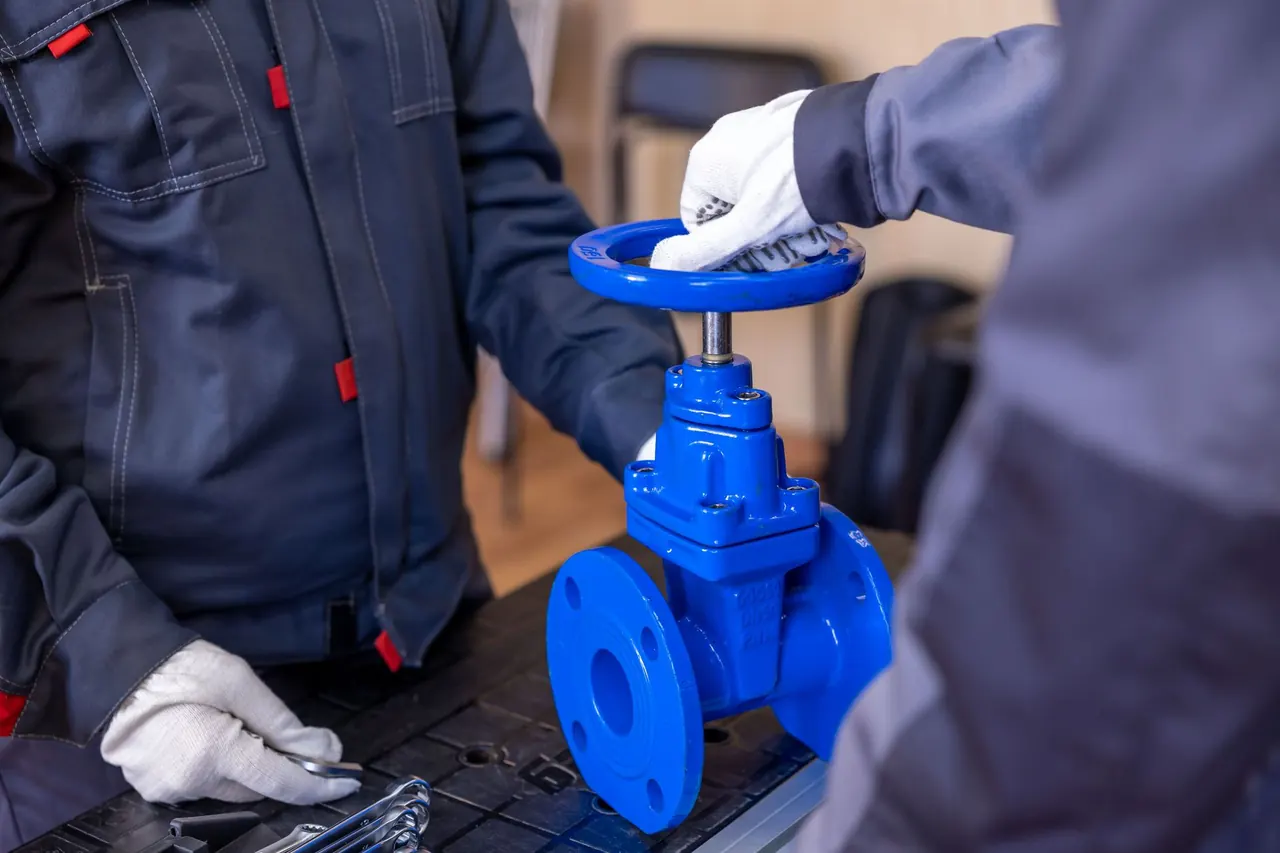
Finds temperature differences behind drywall and plaster to locate the wet zone before we cut. This is the tool that keeps the access panel small.
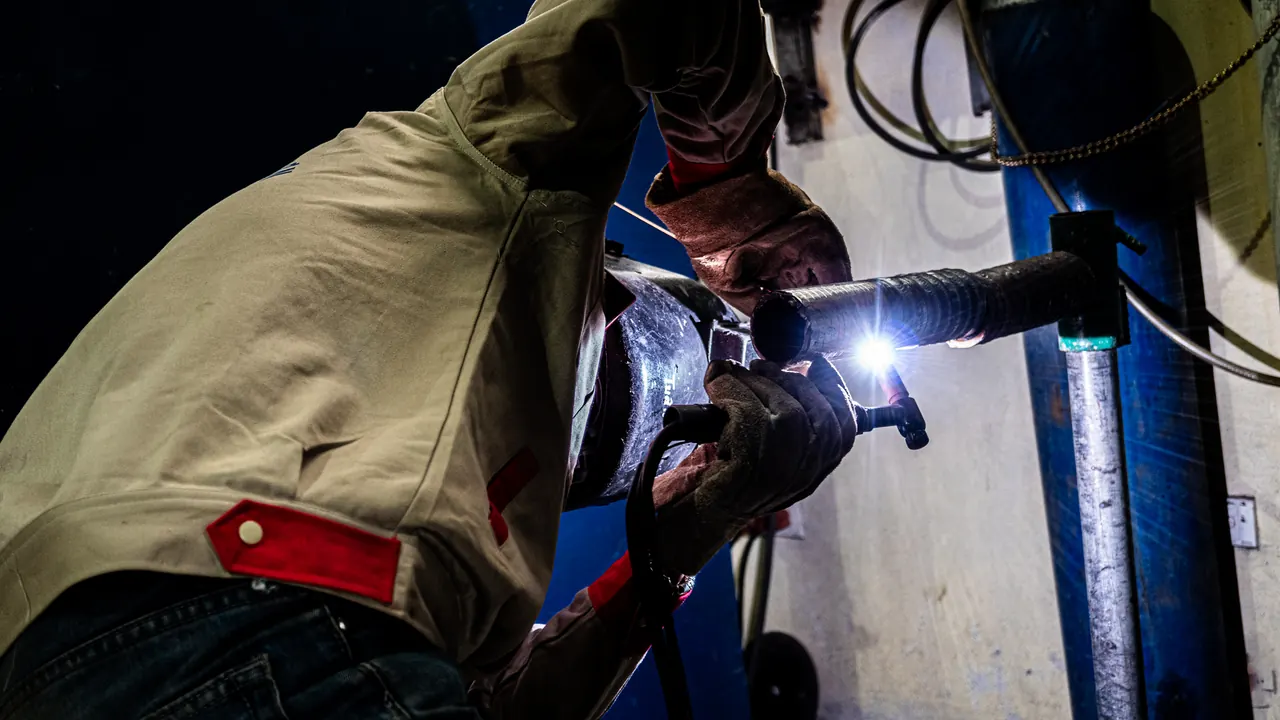
Reads the water content in framing and drywall. We use it to confirm the leak location and to verify the cavity is dry before closing the wall.
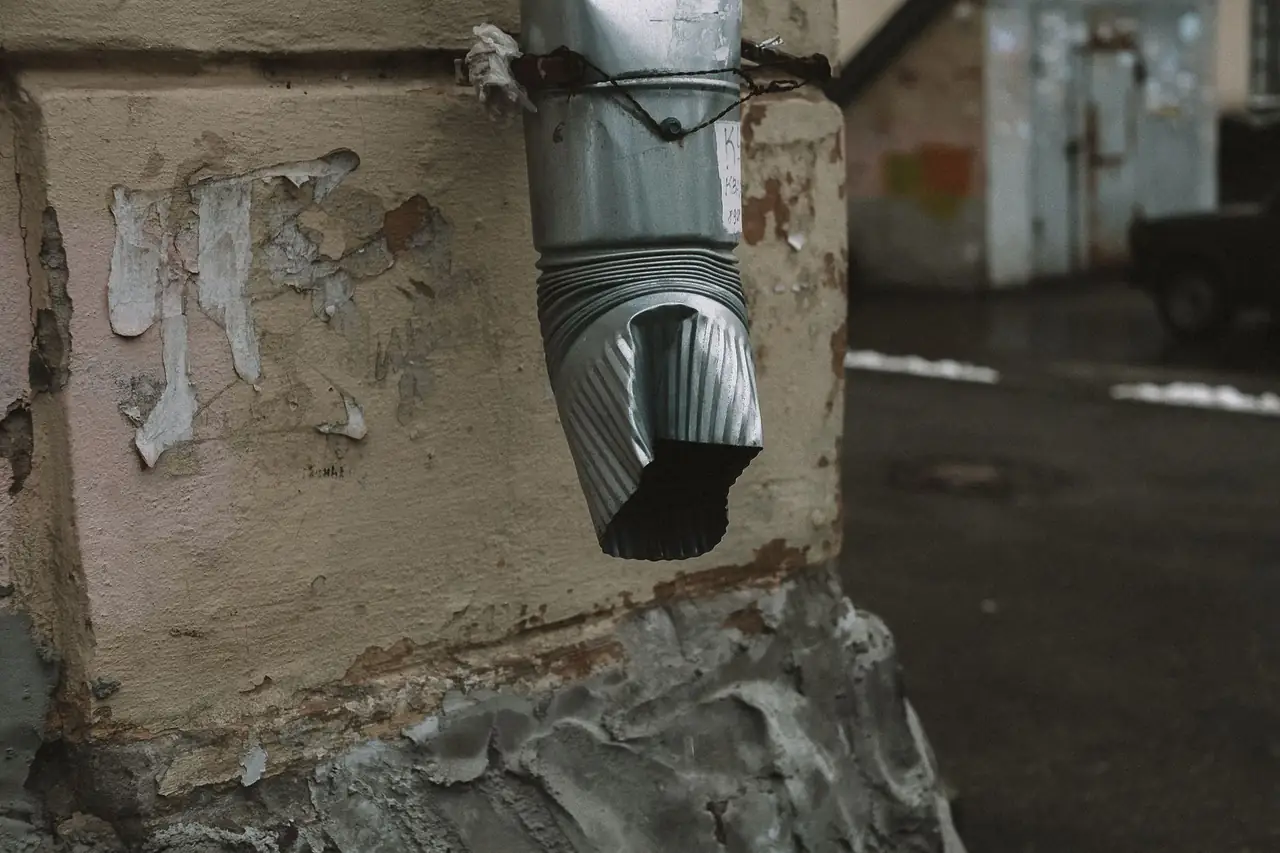
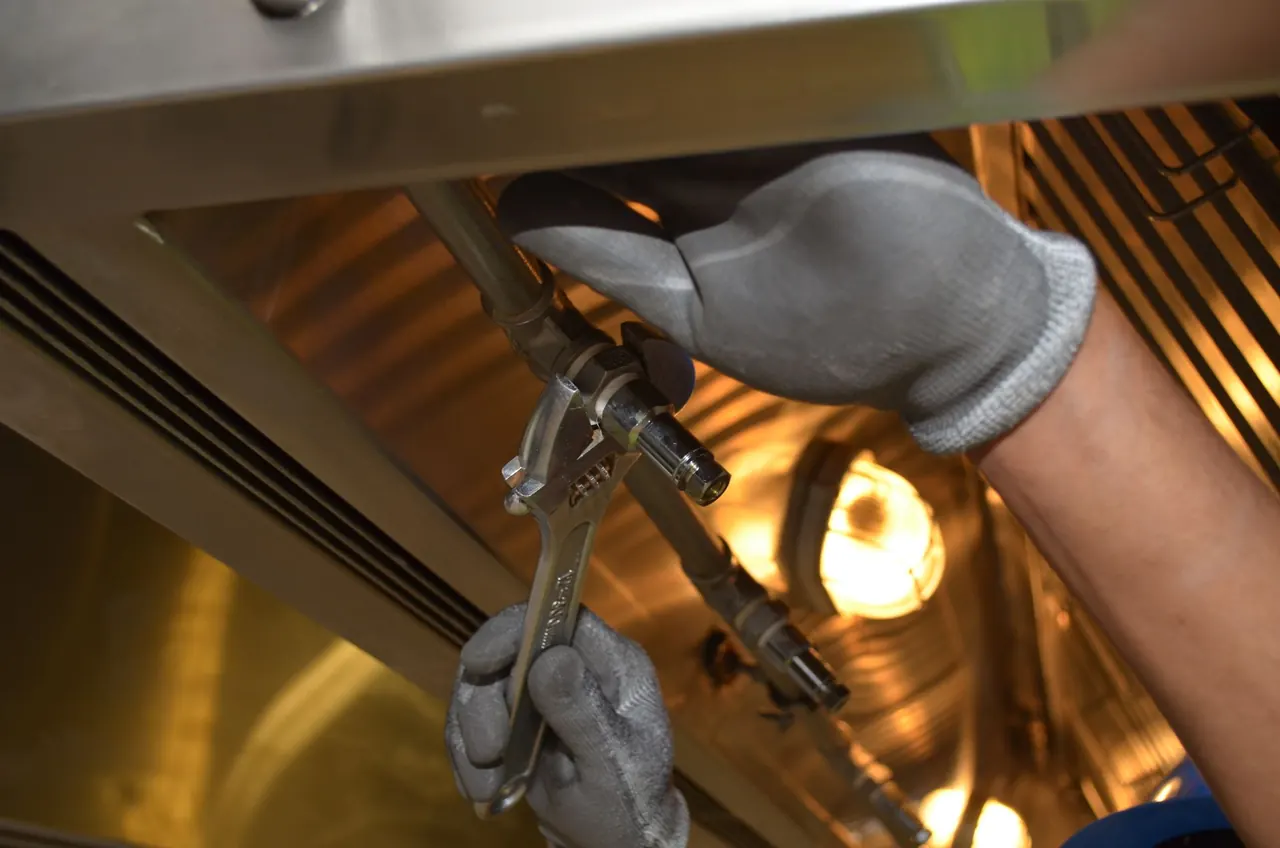
Cuts copper cleanly and solders new joints. We use these on every copper repair to make sure the connection is solid and code-correct.
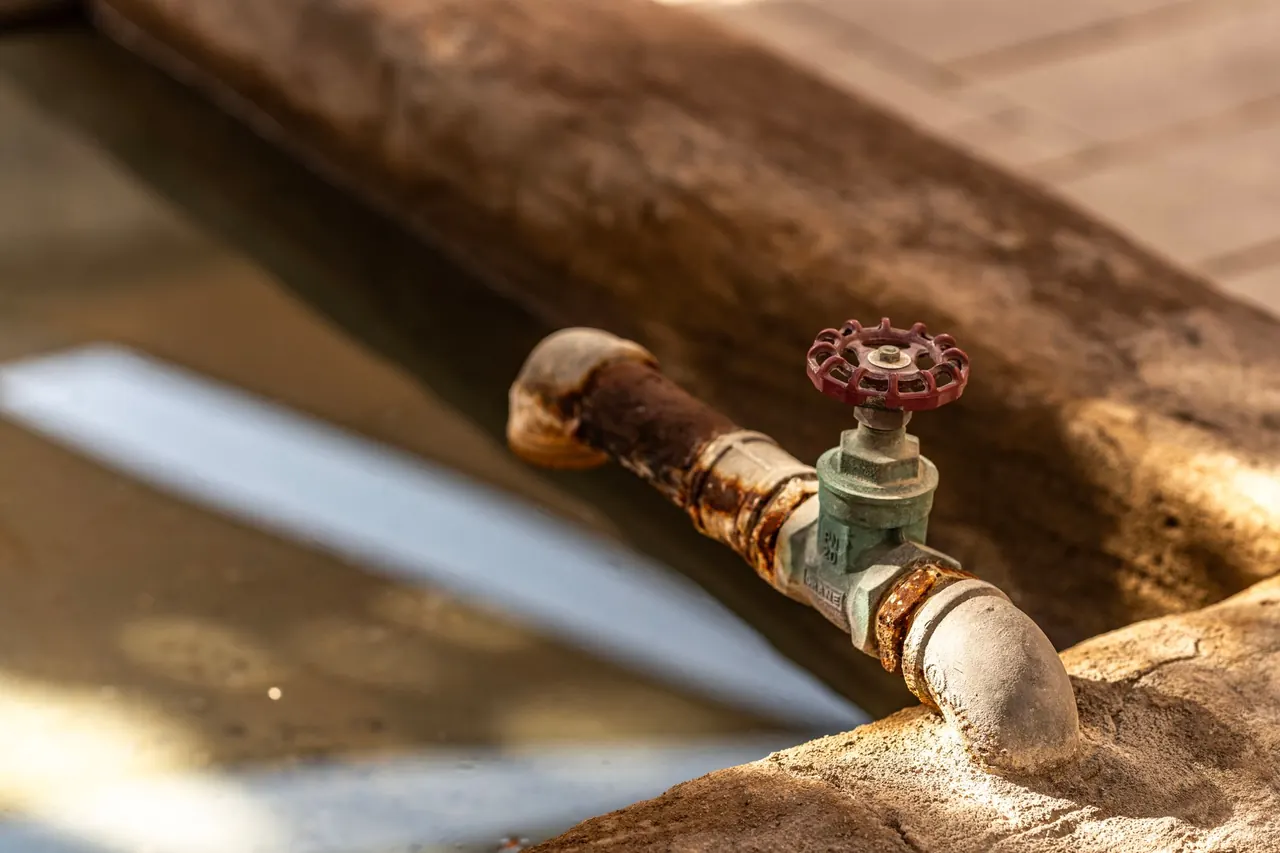
Crimps Uponor and SharkBite fittings onto PEX tubing. This is the standard tool for modern PEX repairs inside a wall.
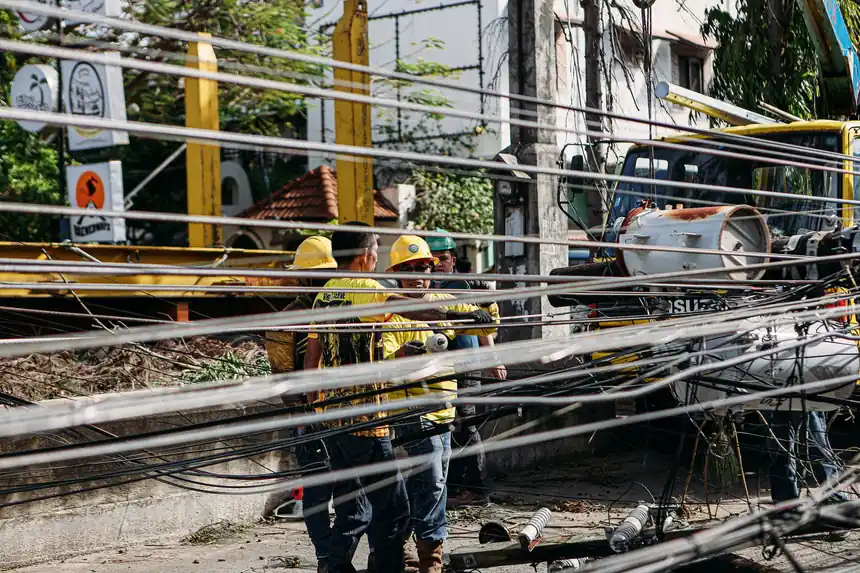
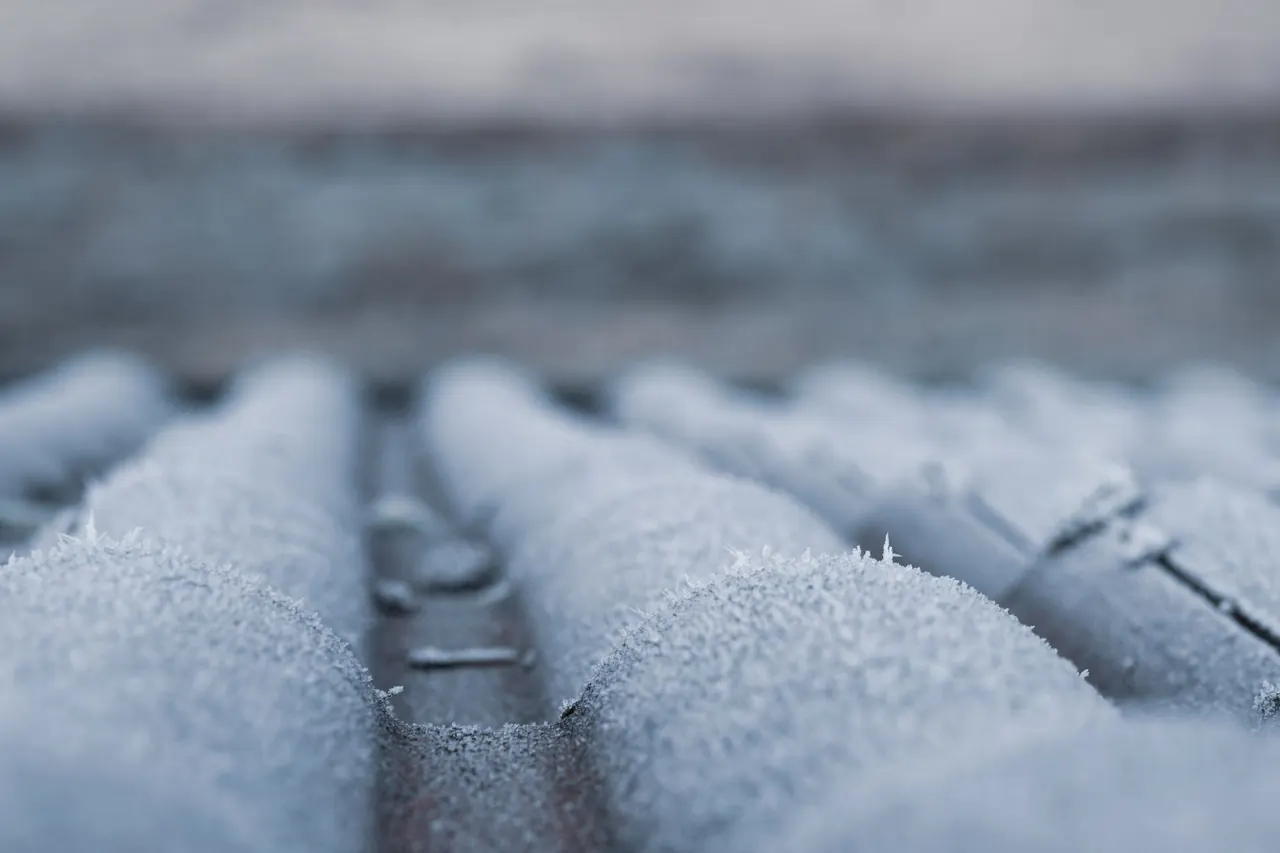
Thaws frozen lines without a torch, which is safer inside a wall. We use it on frozen pipe calls before we repair the split.
Thermal views are illustrative, generated from the photographs.
Pulls standing water out of the wall cavity and off the floor. Getting the water out fast is what limits damage to framing and flooring.
Lets us shut the main quickly when a wall leak is active. If you cannot find yours, we carry one on every truck.
We scan the suspect wall with a thermal camera, then confirm with a moisture meter. This tells us where the water is and how far it has spread. It is the difference between one access panel and three.
After the repair, we pressurize the line and hold it for 15 minutes. If the gauge holds, the repair is sound. If it moves, we find the problem before the wall is closed.
We match the repair to what is in your wall. Copper gets soldered copper. PEX gets crimped PEX. Galvanized gets a dielectric transition to copper or PEX. This prevents corrosion at the joint.
We remove wet insulation, set air movers, and check framing moisture every hour. We do not close a wall until the reading is dry. This is how we prevent mold after a leak.
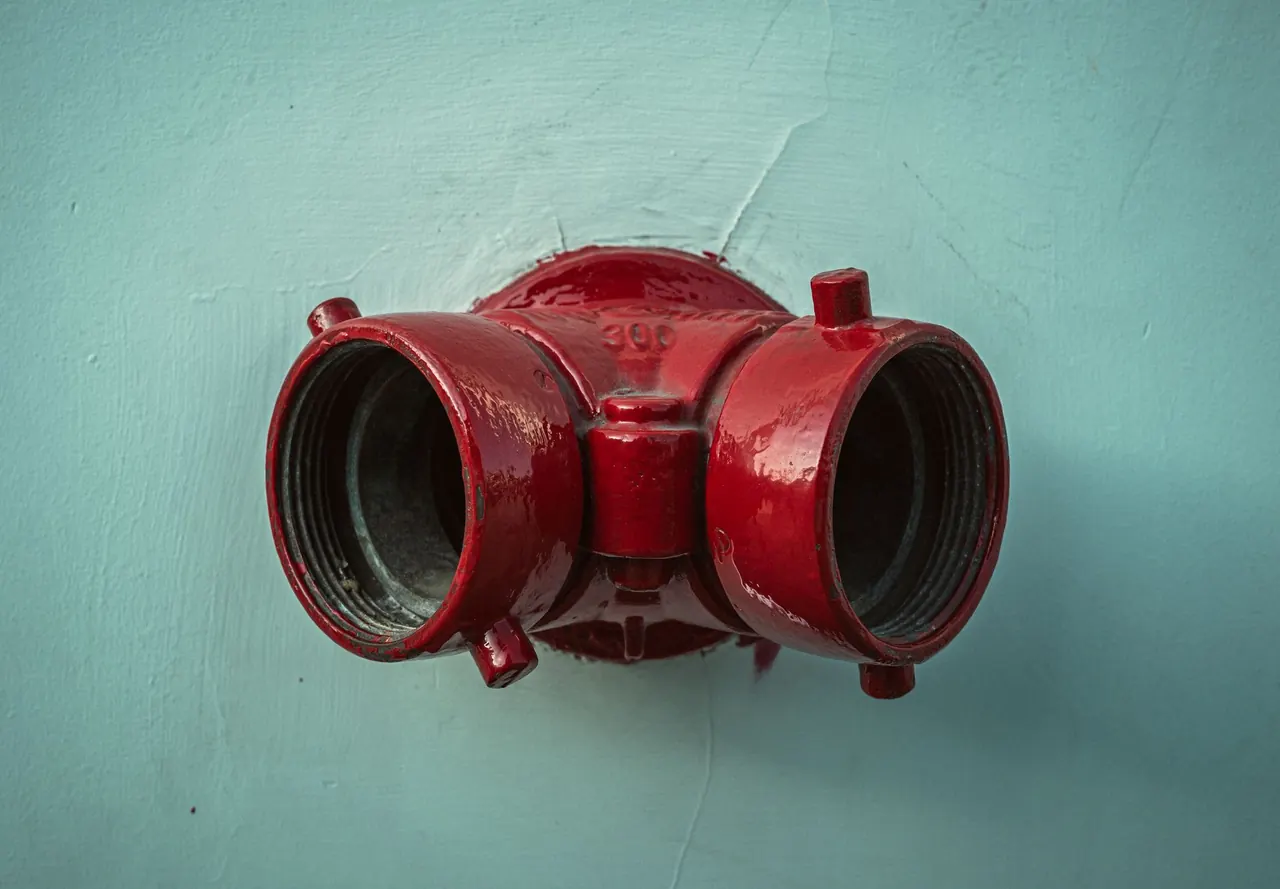
A pipe froze and burst inside an exterior wall during a January cold snap in North Berwyn.
We thaw the line with a pipe thawing machine, cut out the split section, and replace it with PEX or copper. Then we insulate the wall penetration so it does not freeze again.
Outcome: The wall is repaired, the line is insulated, and you have a dry cavity. Most freeze repairs are done in one visit.
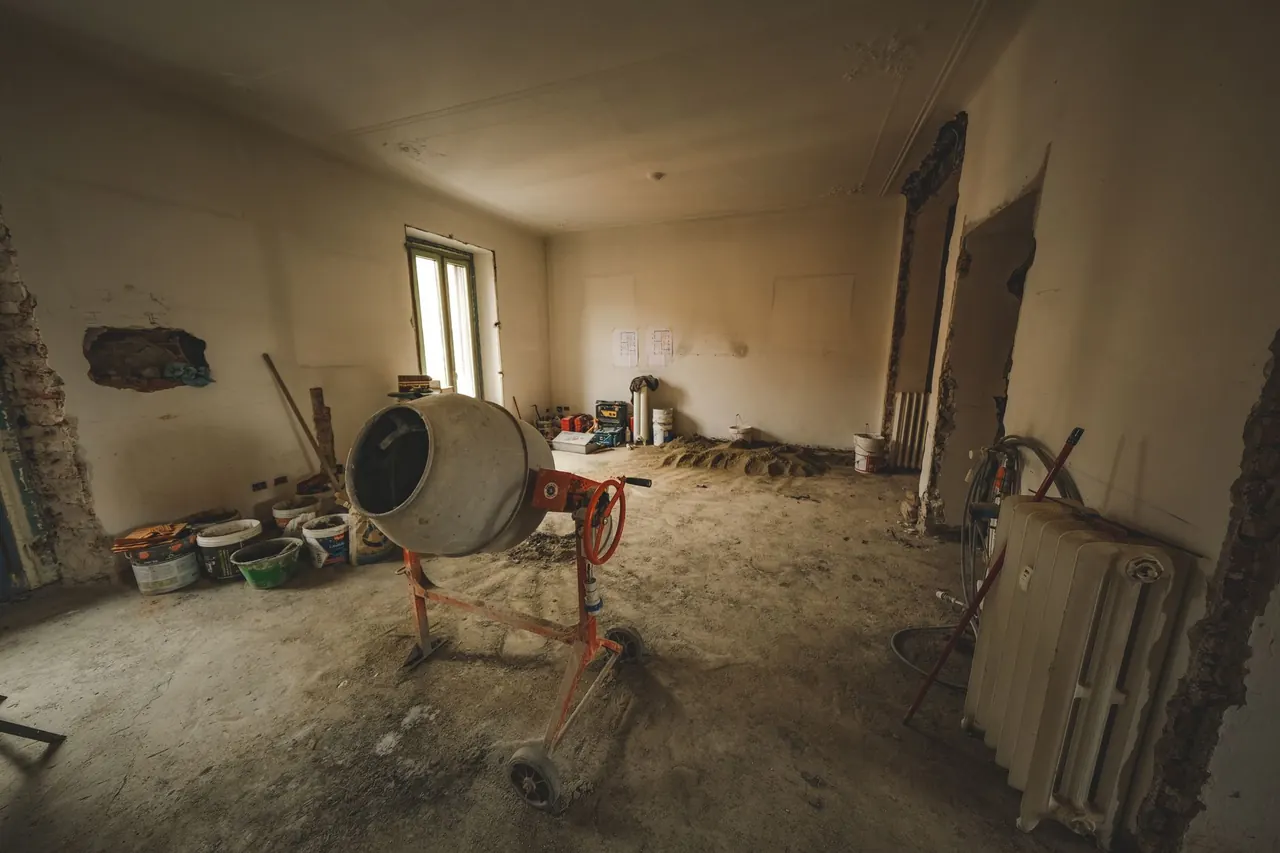
A 1920s bungalow in South Berwyn has original galvanized steel pipe that finally pinholes behind the kitchen wall.
We open a small access panel, cut out the failed galvanized section, and transition to copper or PEX with a proper dielectric fitting. Then we pressure-test the new line.
Outcome: You get a code-correct repair that will outlast the rest of the galvanized run. We also tell you which other sections to watch.
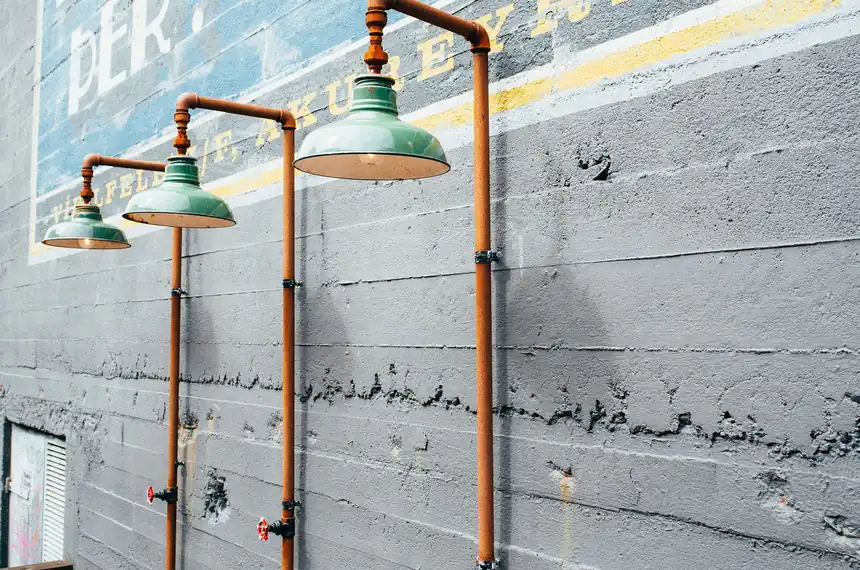
A landlord in the Depot District gets a call that water is coming through a tenant's ceiling from the unit above.
We locate the wall leak in the upper unit, repair the pipe, and dry both cavities. We document the work with photos for the landlord's insurance claim.
Outcome: The leak is fixed, both units are dry, and the landlord has a written record of the repair for the claim.
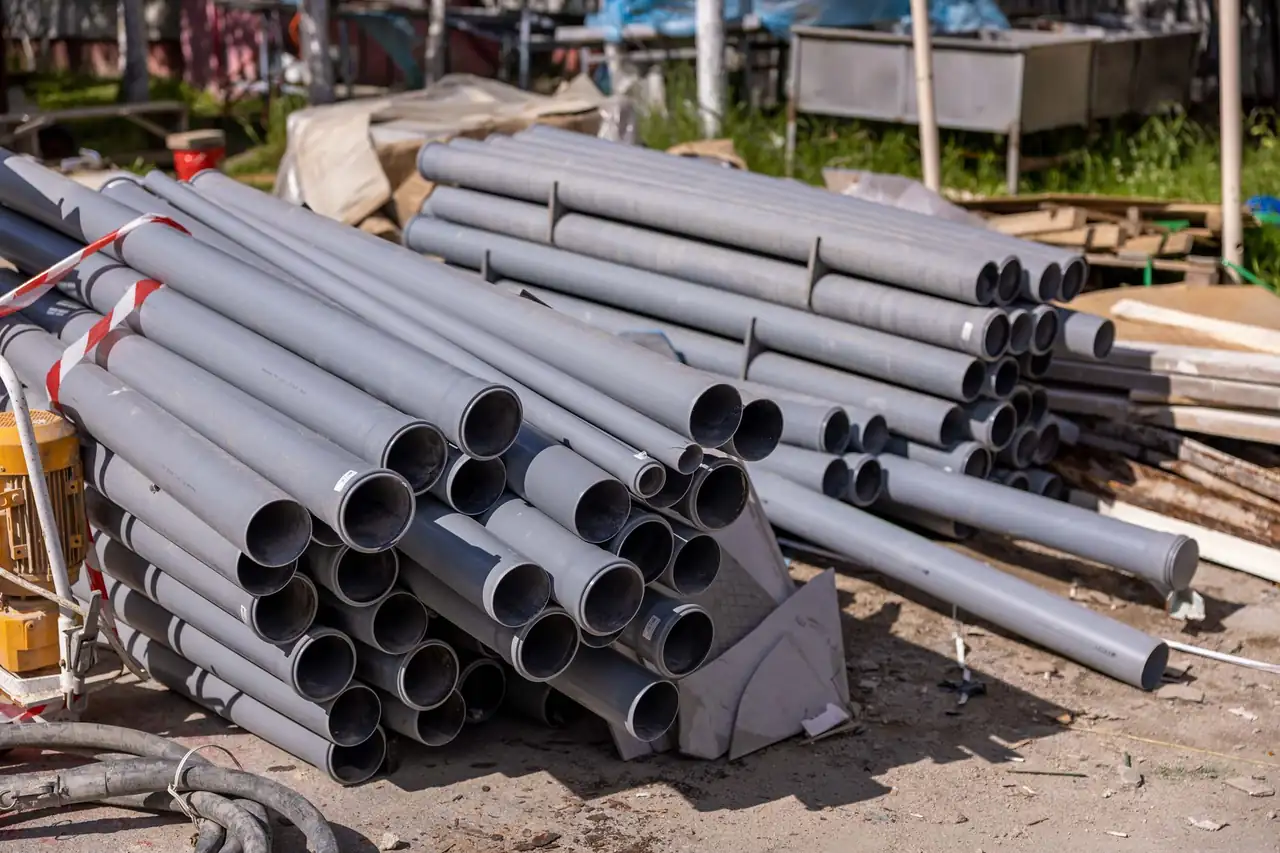
We pressure-test the system, find a pinhole leak in a copper pipe inside the bathroom wall, and repair it. Then we check the rest of the system for similar weak spots.
Outcome: The bill goes back to normal, the wall is patched, and you know the rest of your plumbing is sound.
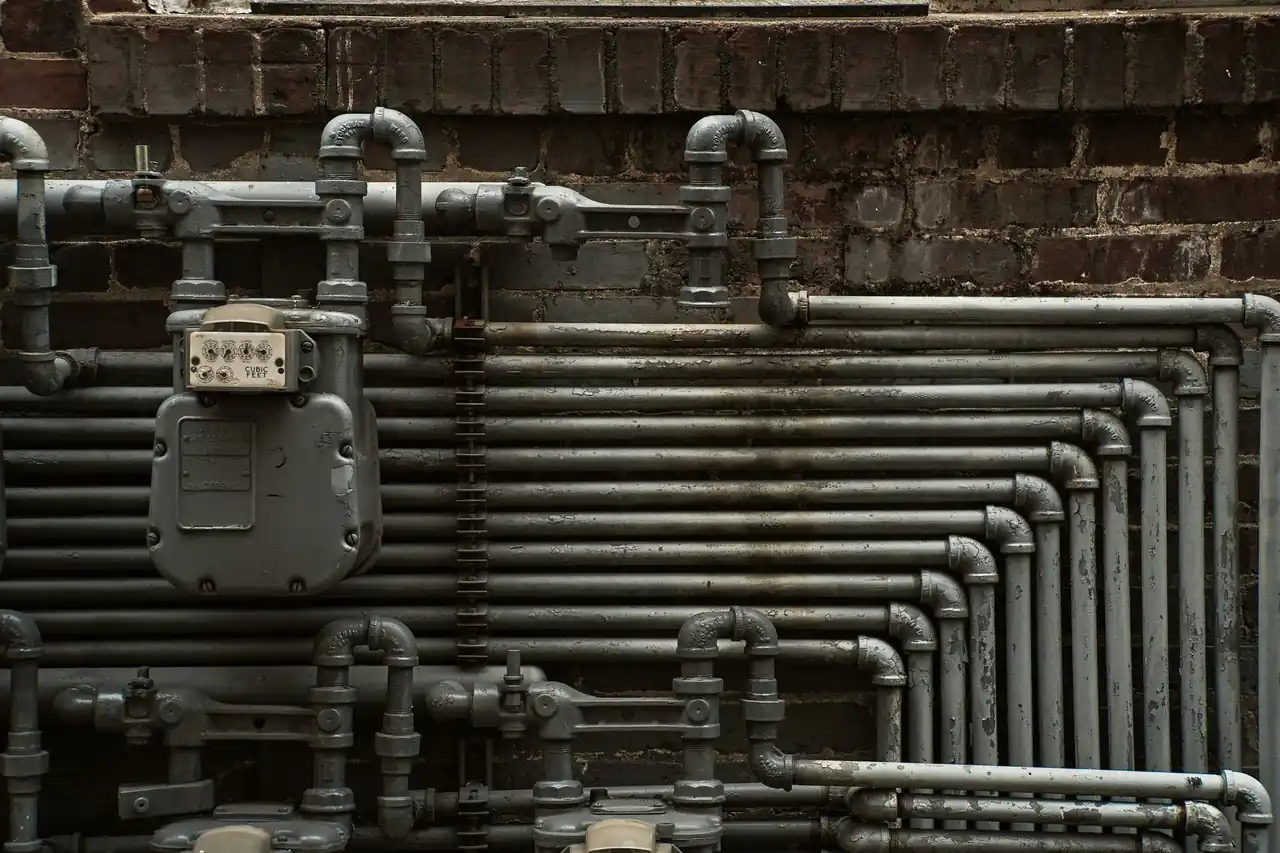
A commercial building on the Cermak Road Corridor has a wall leak that is threatening inventory.
We isolate the leak, shut the line, and repair the pipe after hours so the business can stay open. We use air movers to dry the wall cavity overnight.
Outcome: The leak is stopped, the wall is dry, and the business does not lose a day of operation.
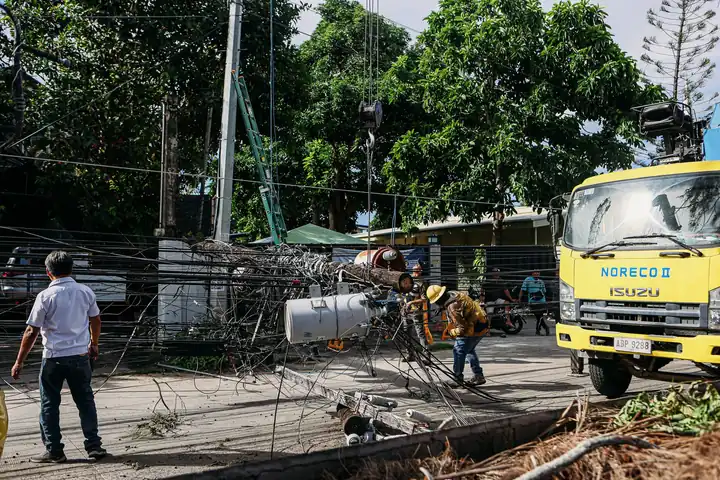
Berwyn plumbing has its own personality. The housing stock is full of 1920s bungalows and two-flats with original galvanized steel pipe, and that pipe corrodes from the inside out. When it fails, it usually pinholes in a wall, not at a fixture. The other big driver is winter. Berwyn gets hard freezes, and exterior wall pipes in older homes are often under-insulated.
A frozen pipe burst in January is our most common emergency call. We also see pipe joint failure from high water pressure in homes that have never had a pressure-reducing valve installed. When you call for wall water leak repair in berwyn, Illinois, we bring a thermal camera, a moisture meter, and fittings for copper, PEX, and galvanized.
We know where the shutoffs tend to be in these houses, and we know how to open a plaster wall without turning the room into a dust bowl.
Before: A homeowner on Grove Avenue had a brown stain spreading across the dining room wall for three weeks. We ran a thermal camera and found the leak was in the bathroom wall on the other side, in a corroded galvanized section.
After: We opened a 12 by 12 inch panel, cut out the failed galvanized pipe, and transitioned to copper with a dielectric fitting. The line held 100 psi for 15 minutes. The cavity dried in four hours and we patched the wall.
We told the homeowner to watch the other galvanized sections and consider replacing the run. Adding pipe insulation to the exterior wall would also help prevent a winter freeze.
Before: A tenant called at 11 p.m. in January saying water was coming down the wall. The exterior wall pipe had frozen and split. The landlord could not find the shutoff valve key, so we walked him through it over the phone.
After: We thawed the line with a pipe thawing machine, cut out the split section, and replaced it with PEX. The repair was pressure-tested and the wall was insulated at the penetration. The tenant stayed in the unit.
We recommended heat tape on the exposed run and showed the landlord where to add insulation. A water alarm in the basement would give early warning next winter.
Before: A homeowner noticed paint bubbling along a baseboard and a musty smell. The system pressure was 95 psi, well above the 80 psi threshold. A copper joint inside the wall had failed under the stress.
After: We repaired the copper joint, pressure-tested the line, and dried the cavity. We also installed a pressure-reducing valve set to 60 psi. The bubbling stopped and the smell cleared once the wall was dry.
We told the homeowner to check the valve setting once a year and to keep an eye on the water bill. Lower pressure means the rest of the plumbing will last longer.
Most wall leaks show up as a stain, a smell, or a bill. Here are the specific problems we get called for and how we handle them.
A dry wall, a tested repair, and no guesswork.
We use a thermal imaging camera and moisture meter to map the wet zone before any cut. That means one access panel instead of three. On a typical wall pipe leak repair berwyn job, we pinpoint the source within 30 minutes and show you the reading on screen.
We cut out the failed section and solder or crimp in new copper or PEX tubing with proper fittings. No epoxy sleeves, no clamp-and-hope. Every repair is pressure-tested at 100 psi before the wall goes back together, so you know the line holds.
Wet insulation and damp framing grow mold in 24 to 48 hours. We pull the wet material, set air movers, and check moisture content with a meter before we close the wall. If the reading is still high, we leave it open and tell you why.
When a wall pipe lets go at 2 a.m., you cannot wait until Monday.
What a written scope covers and what shapes it. Prices are set by the business after the first look.
Included
Depends on
Clear records you can keep and share.
What failed and what we replaced
Images of the repair before closing
Pressure and moisture readings
What to watch and when
Not every wall leak needs a full repipe. The right choice depends on the pipe material and how much of it is failing.
Fails at joints and pinholes
Corrodes from the inside
Splits at crimps or nail rubs
A list like this tells people straight away whether you cover their street. Not listed? Call and ask: it only takes a minute.
Based in berwyn and covering the places around it. Pick one for local details.
A simple copper joint repair behind drywall sits at the low end. Galvanized steel replacement in a plaster wall, or a repair that needs a second access panel, moves toward the top. We give you the number before we cut.
Wall pipe leaks involve opening the wall, cutting and reconnecting supply lines, and pressure-testing the repair. Call (708) 776-9512 and we will get a tech out.
In berwyn, the three most common causes are a frozen pipe burst that split a line last winter, a corroded galvanized pipe that finally pinholes, or a pipe joint failure from high water pressure. A roof or window leak can also show up as a wall stain. We run a thermal camera to tell the difference before we open anything.
Yes. If water is actively running down a wall, shut off the main valve first, then call (708) 776-9512. We will walk you through containing the water and get a technician to your address as fast as we can, usually the same day.
Other services from the same team.
Water behind a wall does not stop on its own. Call (708) 776-9512 and we will locate the leak, give you a straight price, and fix it.
One number reaches a plumber, not a call center. Call (708) 776-9512 any hour and we will help you shut the water off, then get a truck headed to your address. Most berwyn calls get a plumber on site within the hour.