For homes and tenants
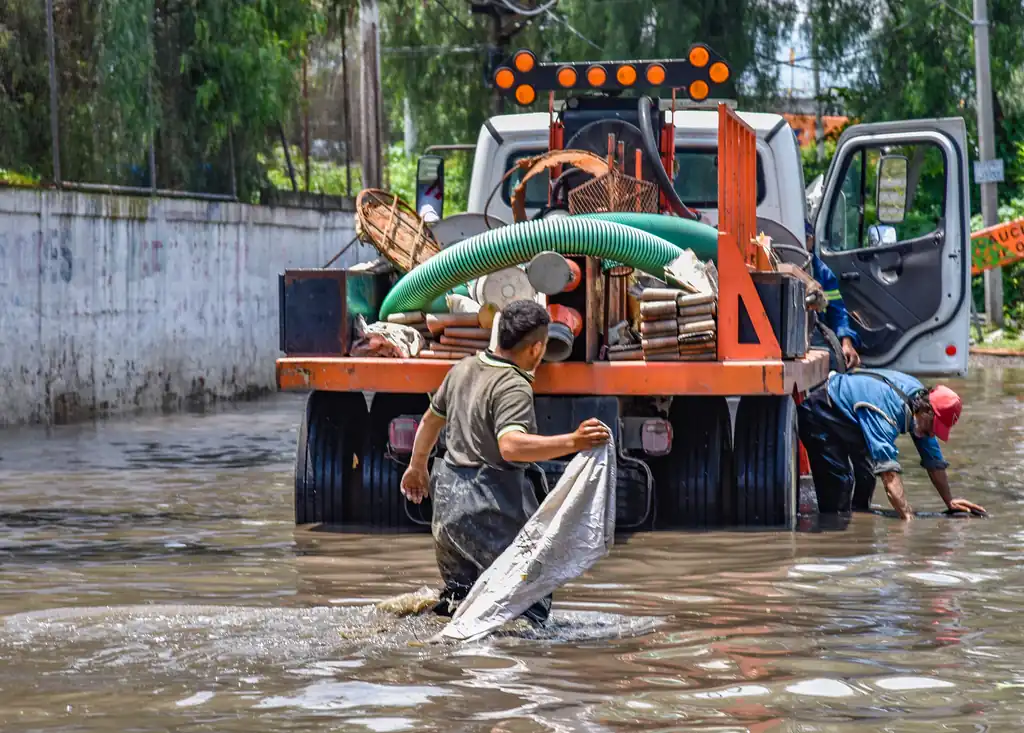
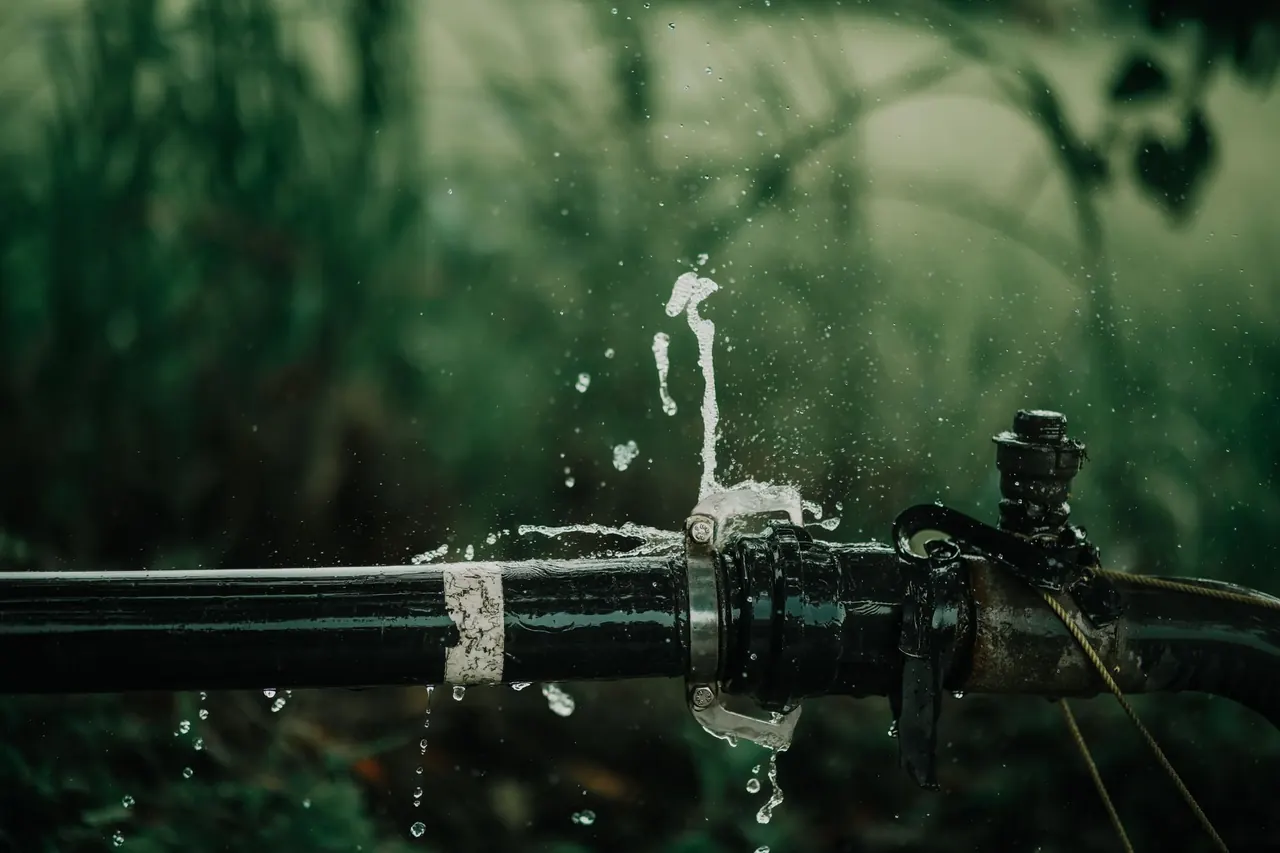
We repair burst lines in bungalows, two-flats, and ranches across Berwyn. We stop the water, fix the pipe, and dry the space.
- Basement line split
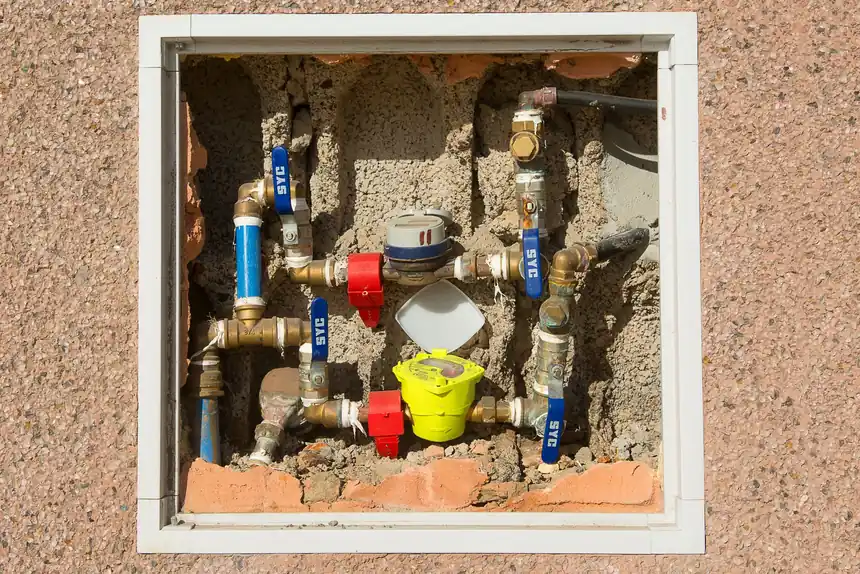
- Ceiling stain below bath
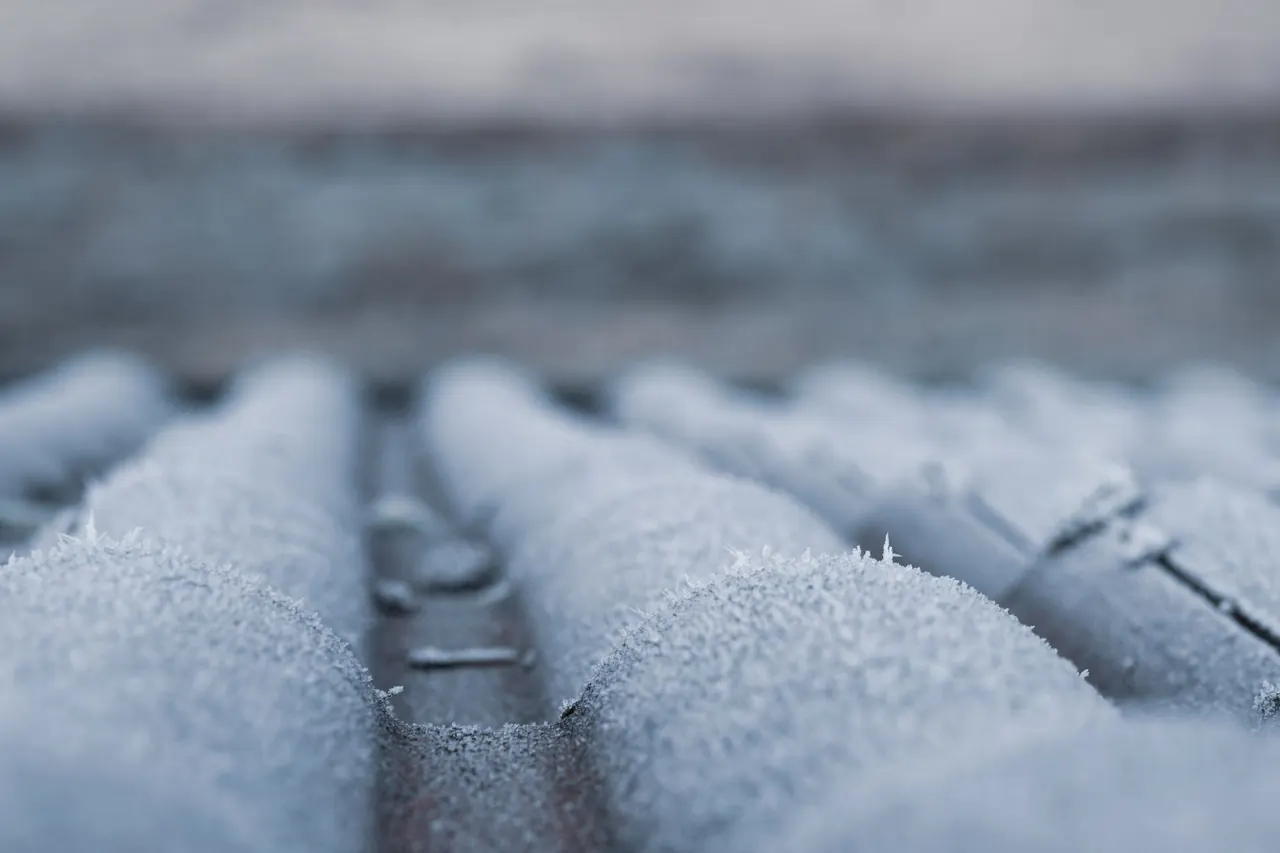
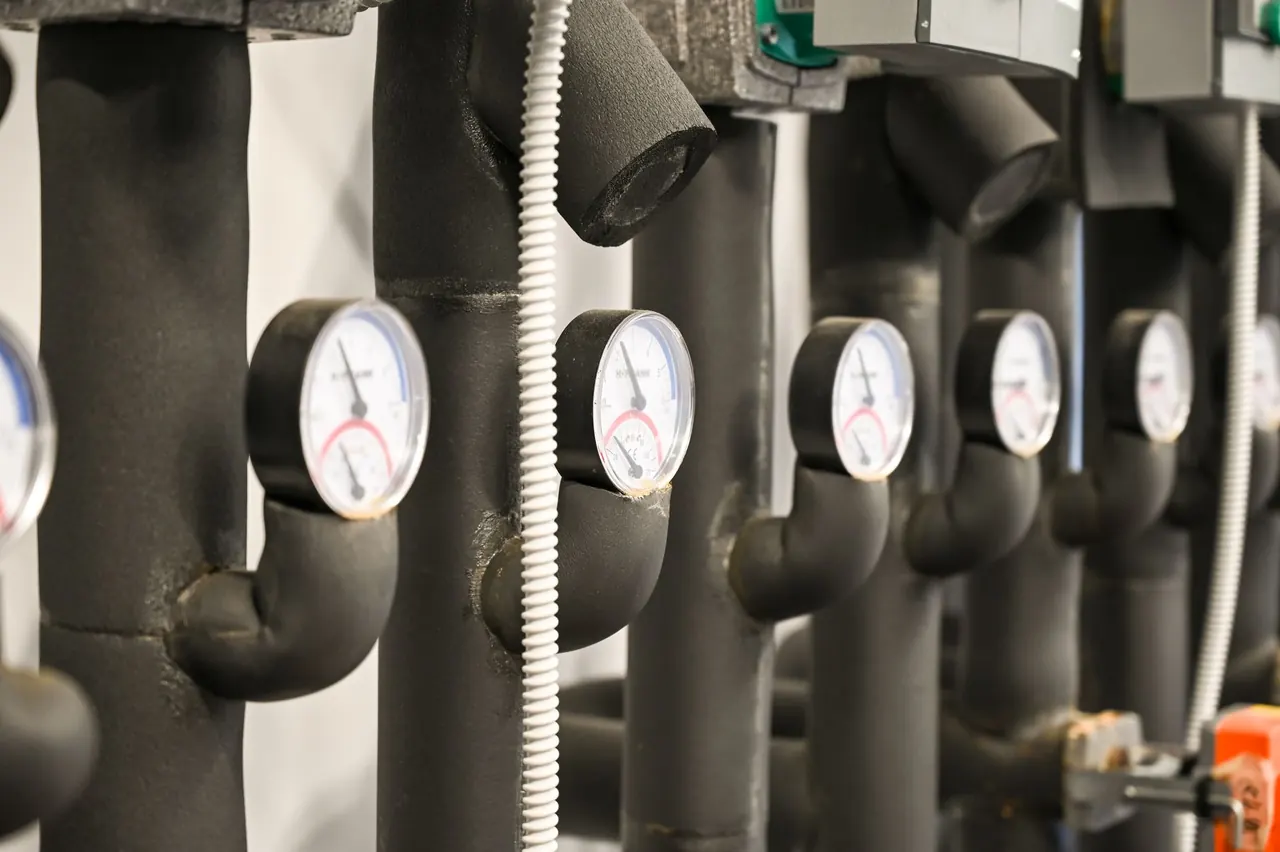
- Crawlspace pipe freeze
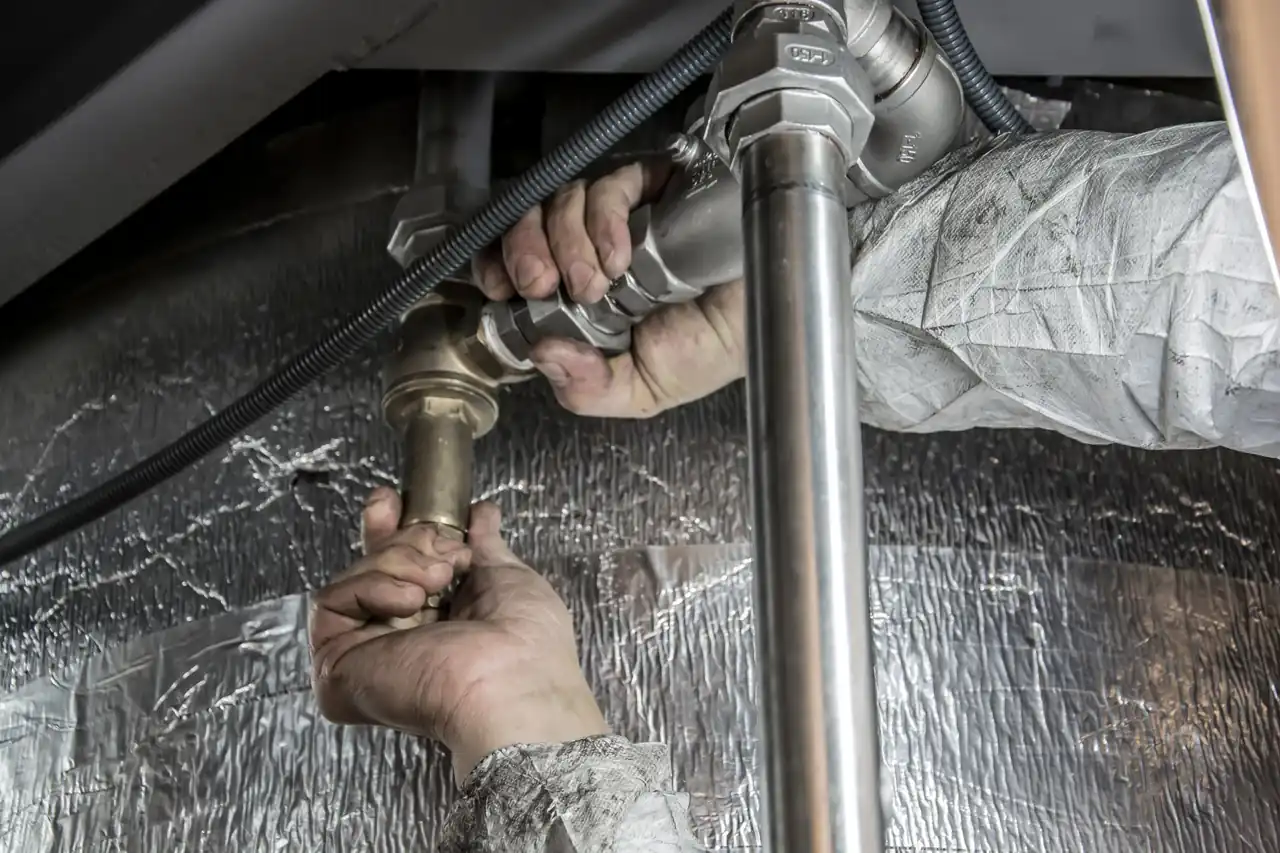
Burst Pipe Repair in Older Homes in berwyn is what we do every winter, and most of our calls come from century-old houses near Cermak Road and the Depot District. If a pipe let go in your basement, wall, or ceiling, we shut the water down, cut out the failed section, and rebuild it with copper or PEX. Same-day service, seven days a week.
 Shutoff firstThermal scanPressure test
Every older-home burst pipe repair starts with locating the leak and stopping the water. From there, the scope depends on what we find behind the wall. Here is what is standard on a typical berwyn job, and what can change the plan once we open things up.
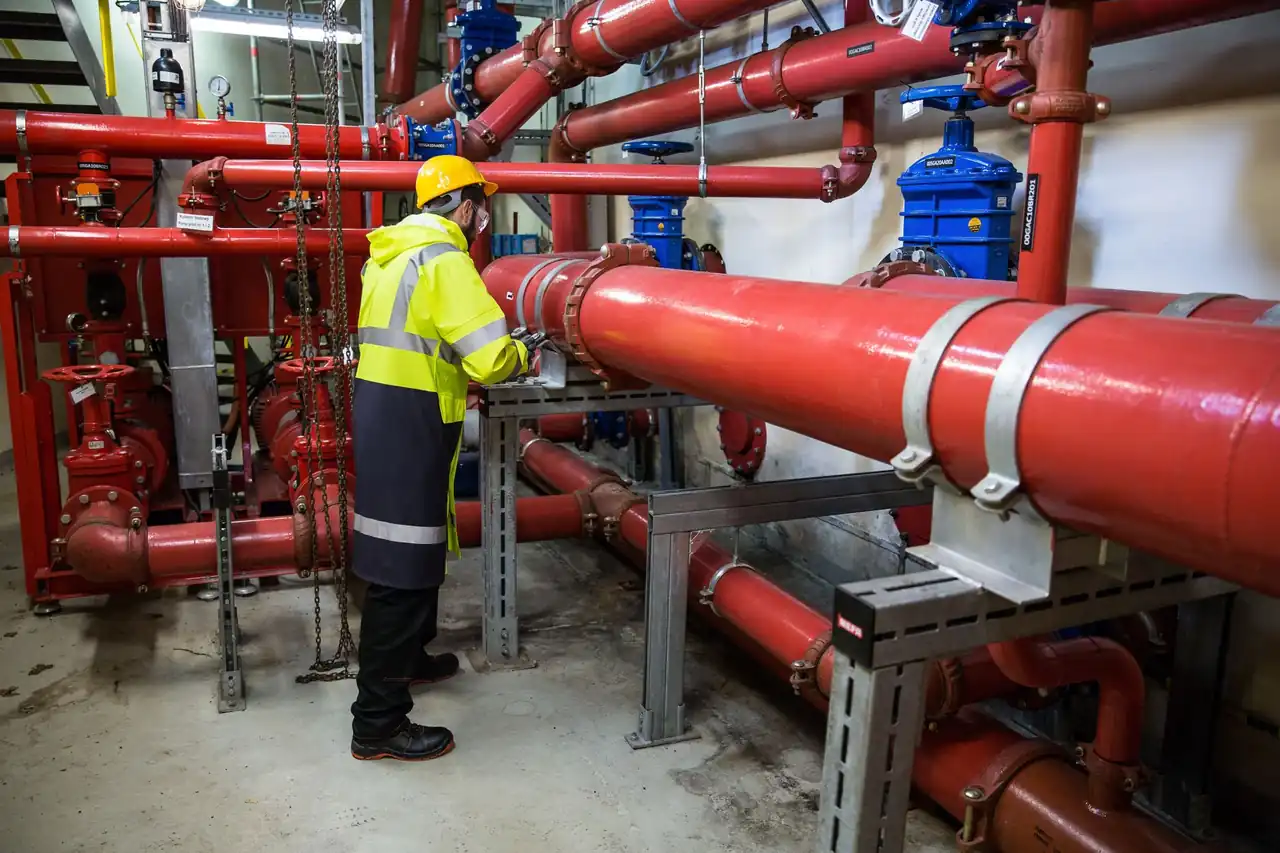
We trace the leak with a thermal imaging camera and leak detection equipment, then open the smallest access panel needed. In older homes, that often means cutting plaster and lath rather than drywall, so we plan the cut to be easy to patch.
We confirm the main valve is closed, then contain the area with drop cloths and buckets. If the line is still weeping, we cap it before starting the repair. Stopping the water is always step one, even before we pick up a tool.
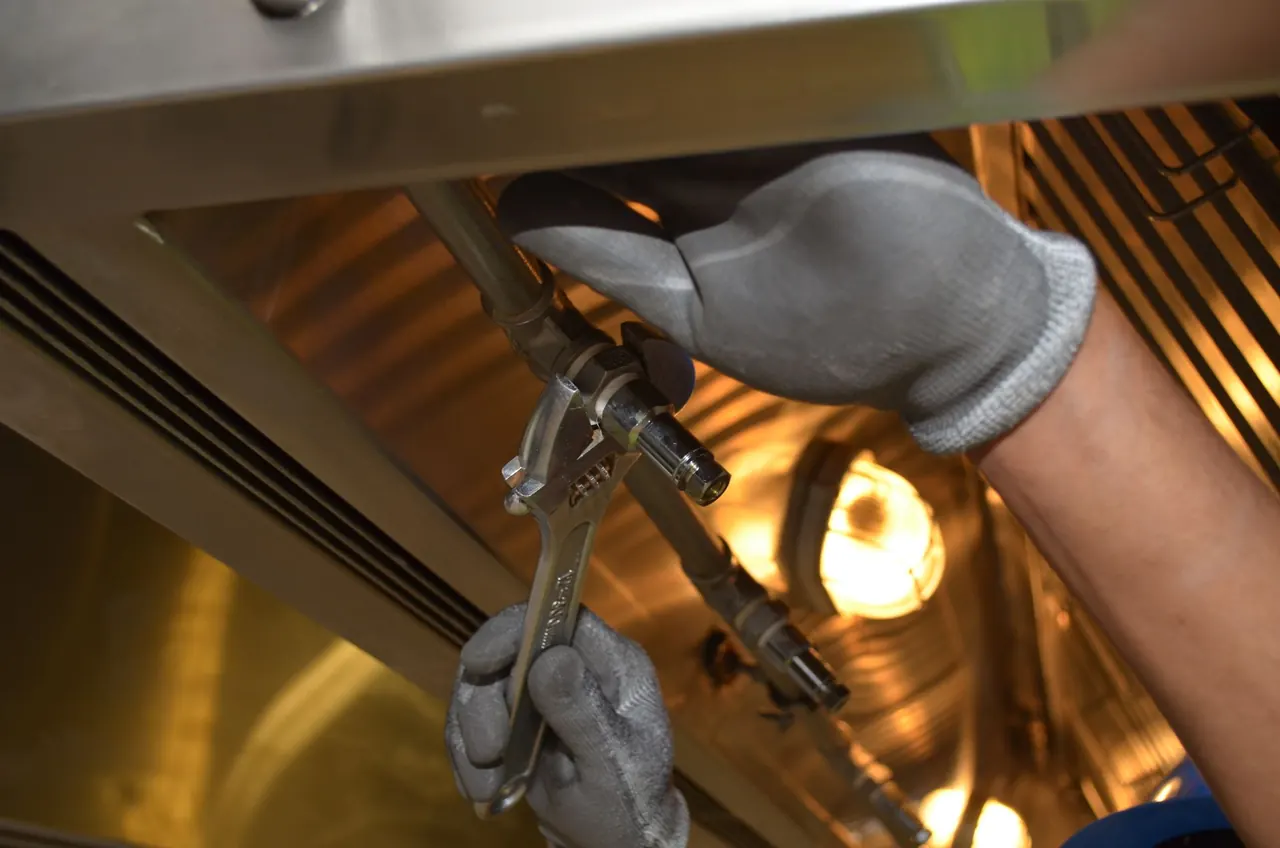
We cut out the failed section with a pipe cutter and rebuild it using copper, PEX, or the correct fitting for the material. If the surrounding pipe is corroded galvanized steel, we recommend replacing that run instead of patching it.
We restore water and hold full house pressure for 15 minutes. If the gauge holds, the repair is sound. If it drops, we find the weep and redo the joint. We do not close a wall on an untested repair.
We vacuum standing water with a wet/dry vacuum, set air movers on wet joists and subfloor, and check moisture with a meter. If the ceiling or floor is saturated, we leave the equipment running and tell you when to check it.
You get photos of the failed pipe and the finished repair before the wall goes back. That record helps with insurance claims and gives you a baseline for the next time a plumber looks at the system.
The approach is the same for a home and a business. What changes is the access, the schedule and who needs the paperwork.
We repair burst lines in bungalows, two-flats, and ranches across Berwyn. We stop the water, fix the pipe, and dry the space.
We handle burst lines in storefronts and small commercial buildings. We isolate the line, repair it, and document the work.
A plain-language look at what Burst Pipe Repair in Older Homes involves and when it is needed.
See how it worksBurst Pipe Repair in Older Homes in berwyn means finding the split, cutting out the failed section, and rebuilding the line so it holds pressure again. In houses built before 1950, that usually means working around galvanized steel that has rusted from the inside, brittle copper at the joints, and original fittings that no longer match anything on a shelf. We use a pipe cutter, a soldering torch or a PEX crimping tool, and a thermal imaging camera to trace the leak behind plaster and lath before we open anything up.
Most berwyn calls start the same way: a homeowner hears water running at 2 a.m. or finds a wet ceiling tile after a hard freeze. The city's housing stock is old, the basements are unfinished, and the pipes were sized for a different era. If you search for burst pipe repair in older homes in berwyn IL near me during a cold snap, you are not alone. We handle frozen pipe bursts, corroded galvanized failures, and joint leaks on the same route every January.
Old pipes fail at the weakest point, and finding that point fast is the whole job.
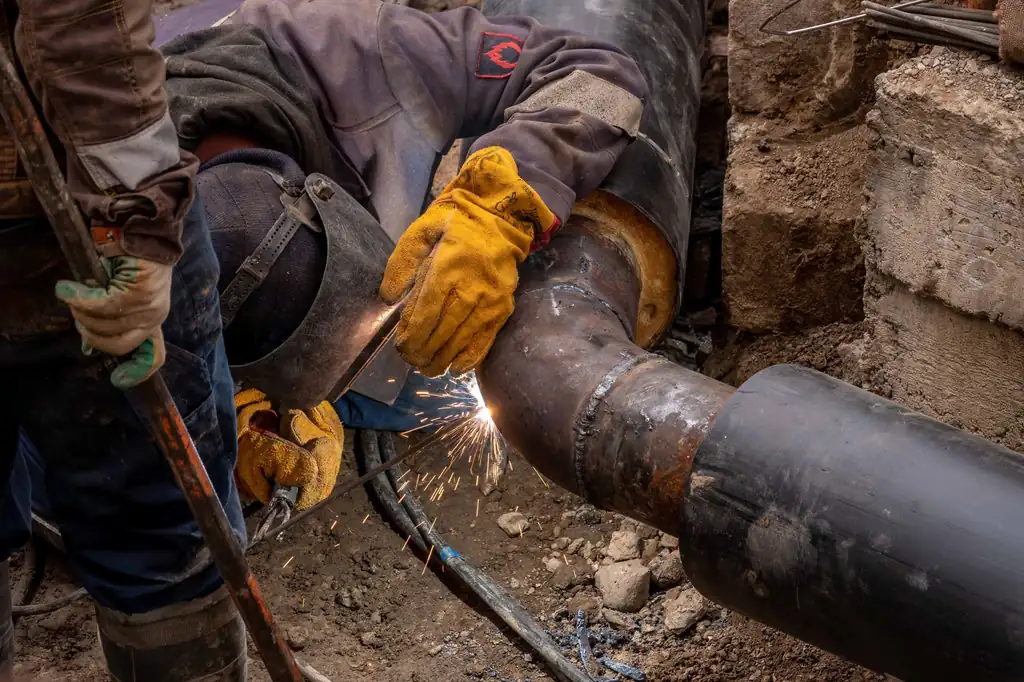
From the first call to the final pressure test, here is what you can expect when we roll up to your berwyn address.
You call (708) 776-9512. We walk you to the main water shutoff valve and stay on the line while you close it. That single step stops most of the damage. If you cannot find the valve, we talk you through the likely spots: basement wall, crawlspace, or utility closet near the front of the house.
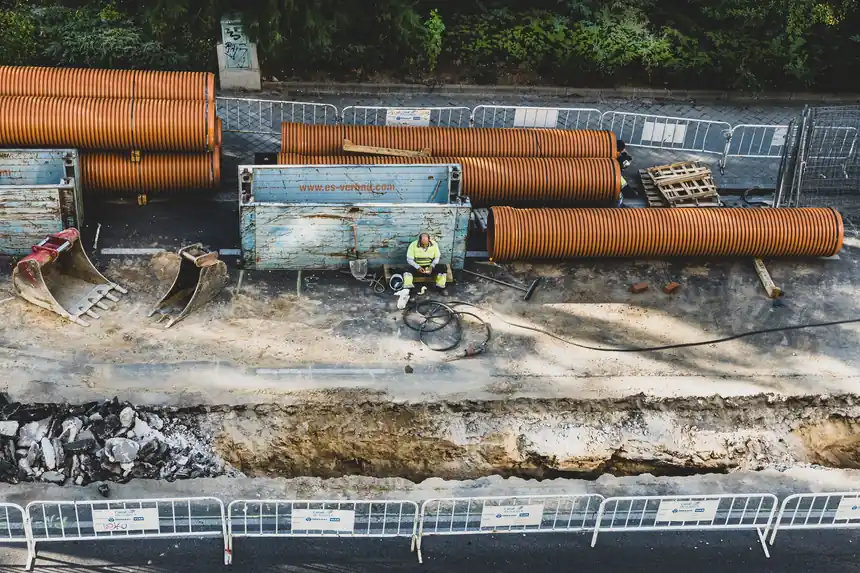
We arrive, confirm the water is off, and start tracing. A thermal imaging camera shows the cold spot behind plaster. A drain snake or a small inspection camera checks the drain side if sewage is involved. Most leaks in older homes show up within 20 minutes of us walking the basement and first floor.
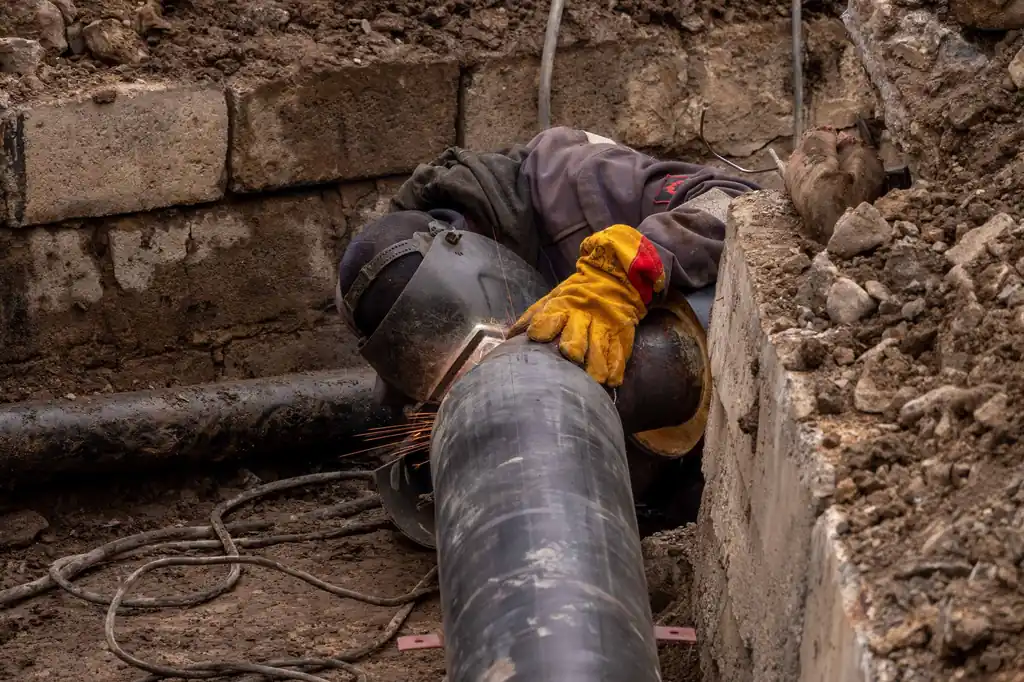
We cut out the split section with a pipe cutter and rebuild it. Copper gets soldered; PEX gets crimped with a Uponor or SharkBite fitting. If the surrounding pipe is corroded galvanized, we replace that run too, because a patch on rotten steel will fail again next winter. This stage takes two to four hours on a typical job.
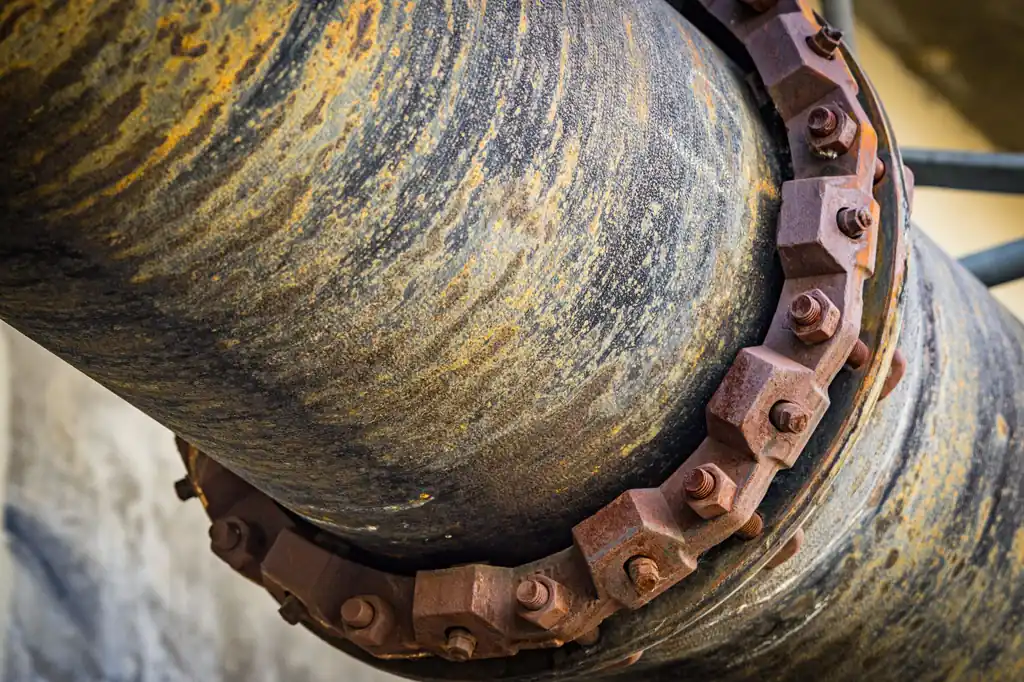
Before we close anything up, we restore water and watch the gauge. A 15-minute hold at full house pressure tells us the joint is sound. If it drops, we find the weep and redo it. No guessing, no hoping the drywall hides it.
We vacuum standing water, set air movers on wet joists and subfloor, and show you what we found and what we replaced. You get photos of the repair before it was covered. We also point out the next weak spot on the line so you can plan for it instead of discovering it at 2 a.m.
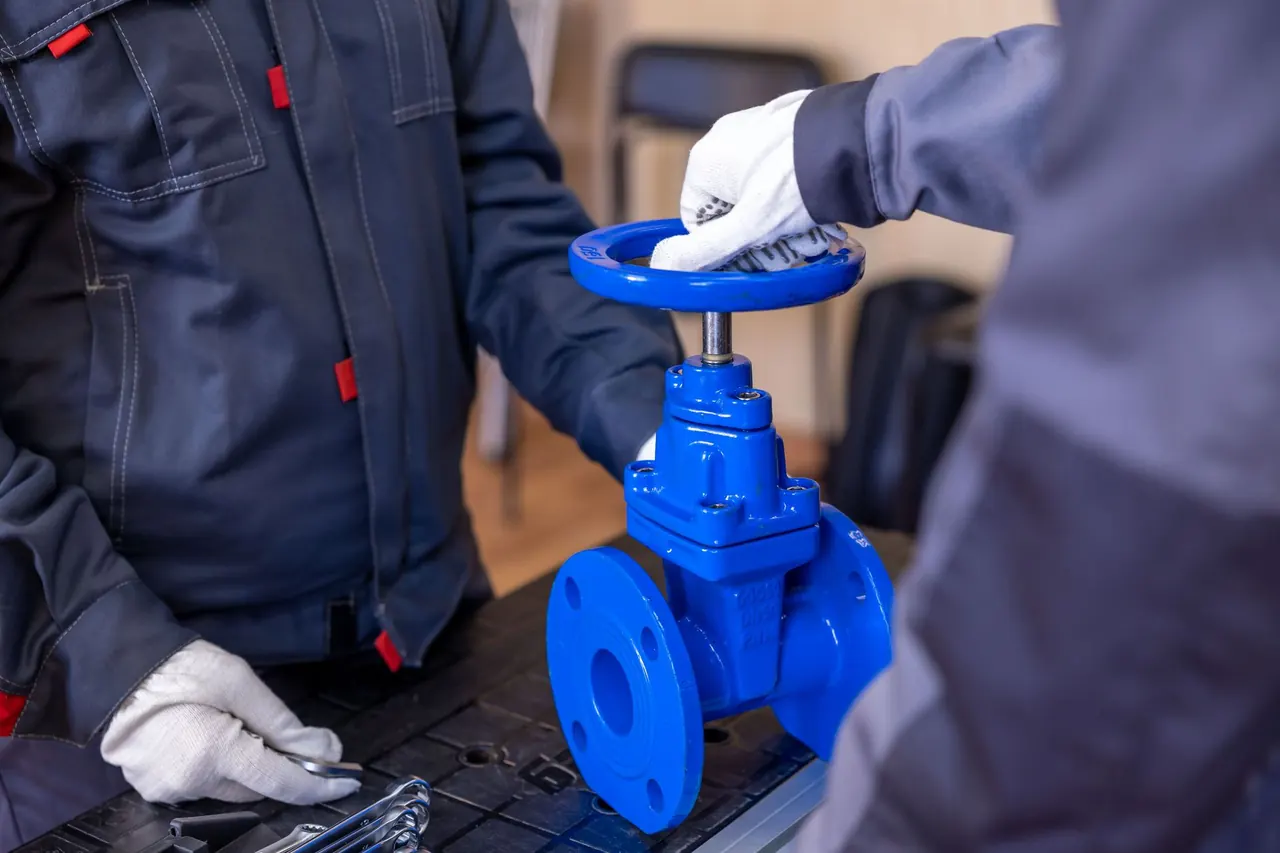
Move across a circle, or focus it and press Enter, for an illustrative thermal view of the photograph.
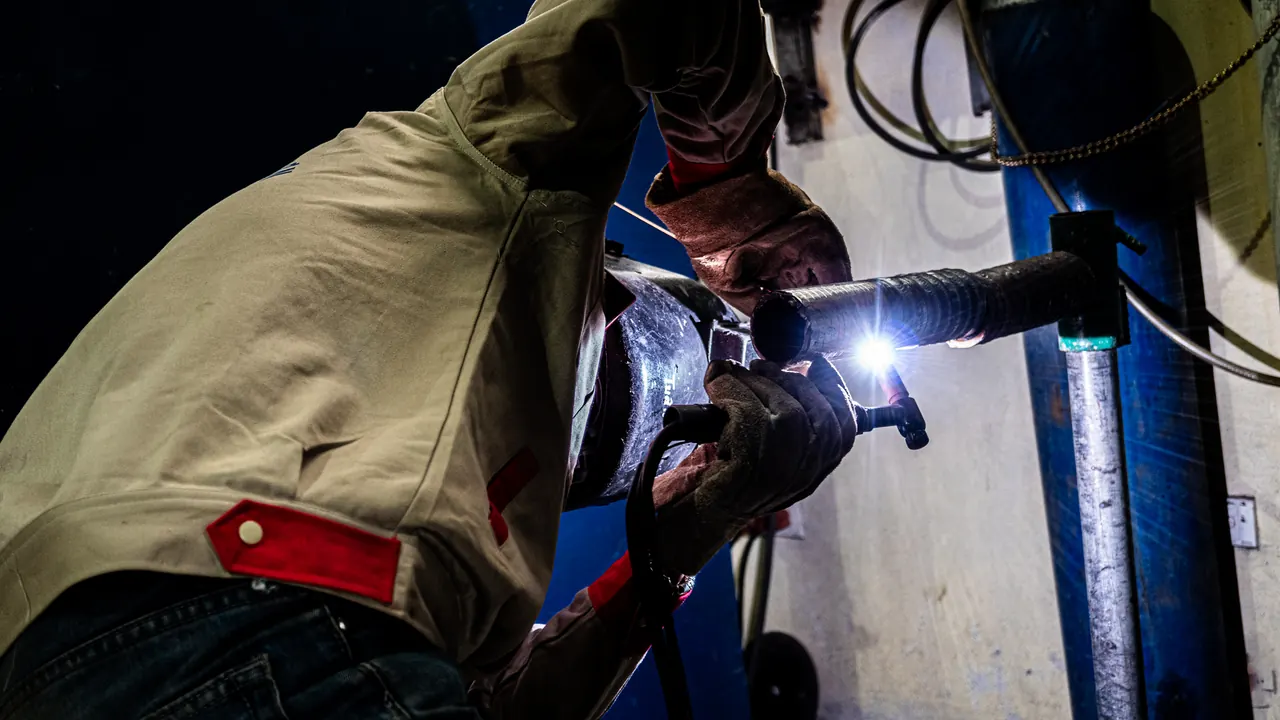
Finds the cold spot behind plaster and lath where a pipe has split, so we open one small panel instead of tearing out a whole wall.
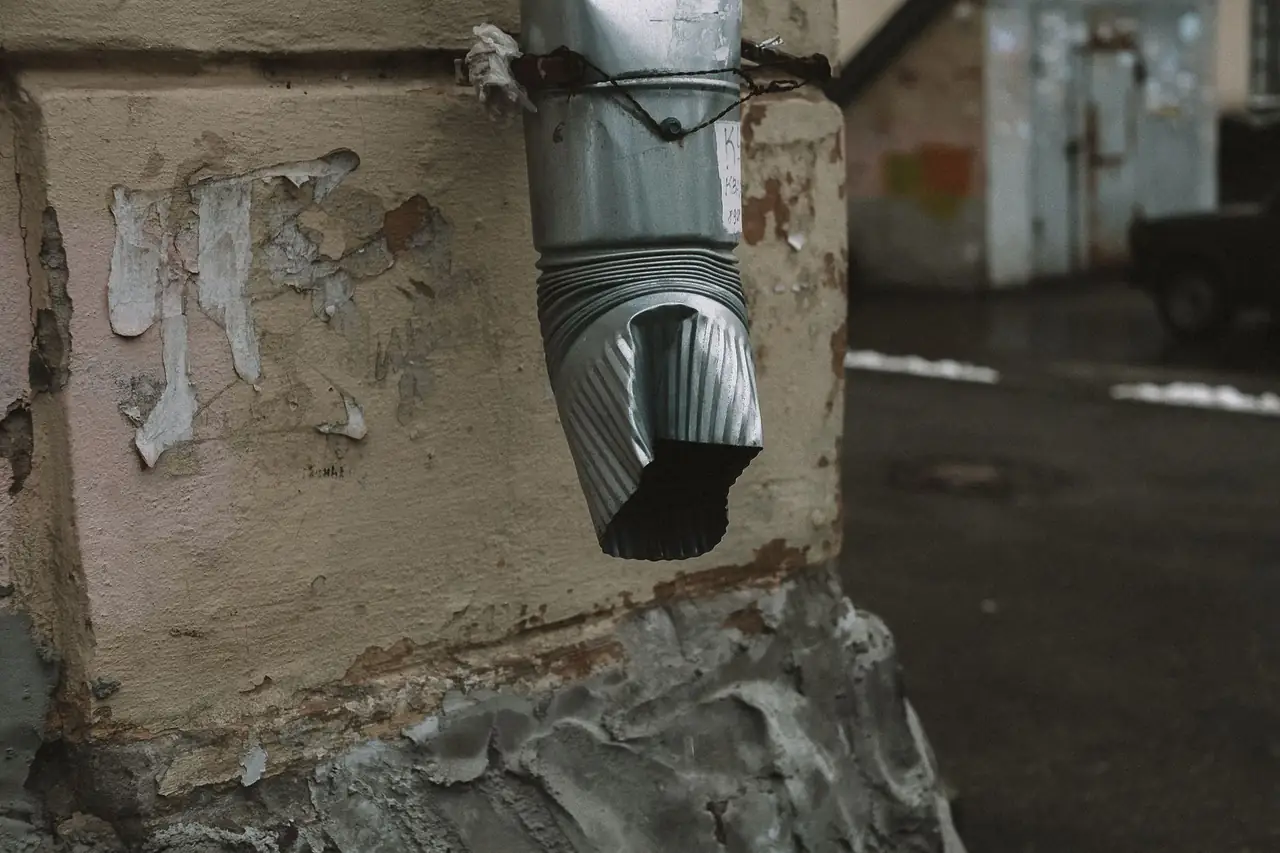
Thaws frozen lines safely without a torch, so we can find the split and repair it before the ice melts and floods the basement.
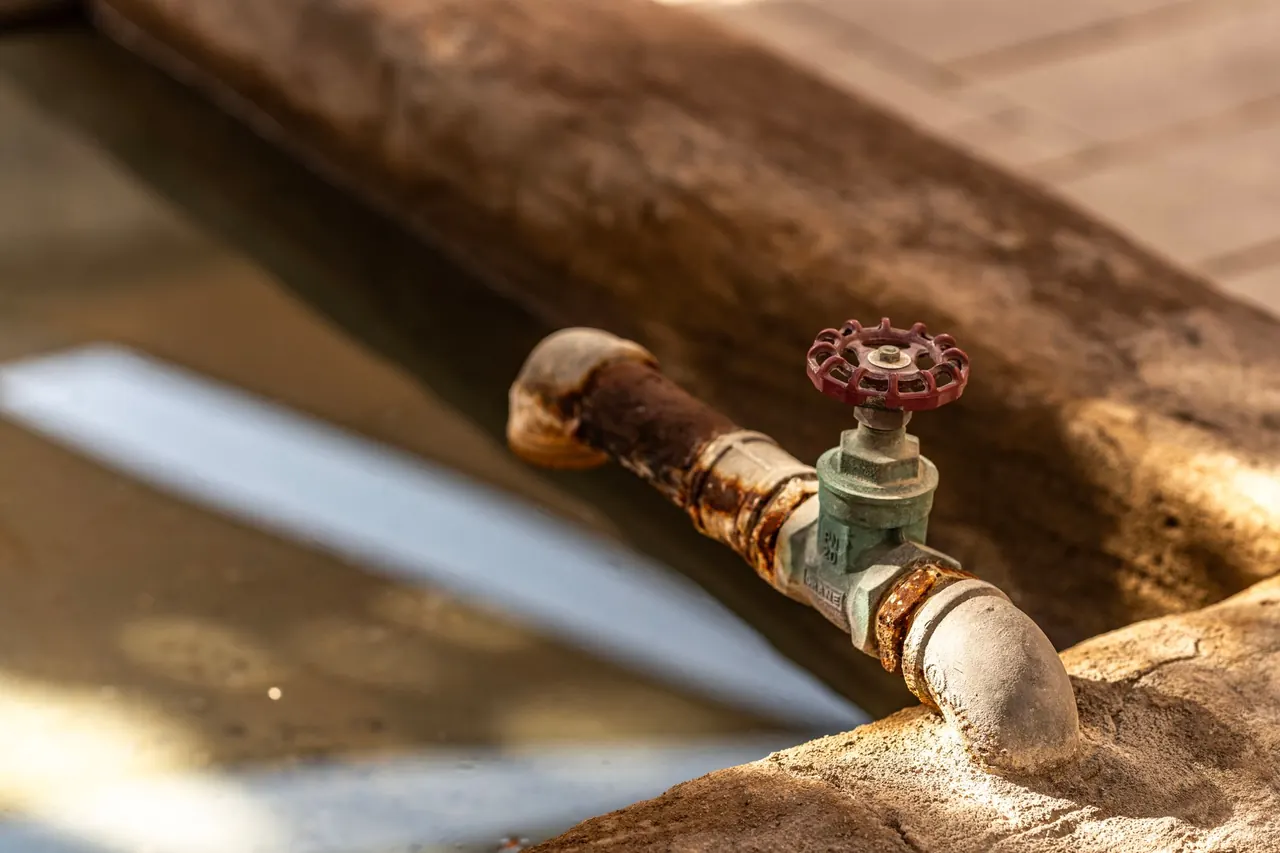
Cuts out the failed copper section cleanly and solders in a new piece that matches the existing line. Standard tools for copper repair.
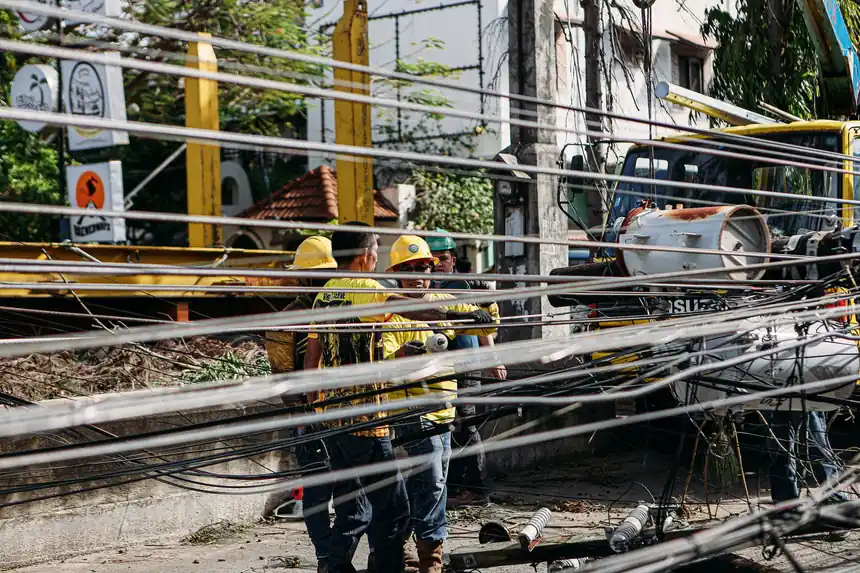
Makes secure connections on PEX tubing with Uponor or SharkBite fittings. Faster than soldering and ideal for tight spaces behind walls.
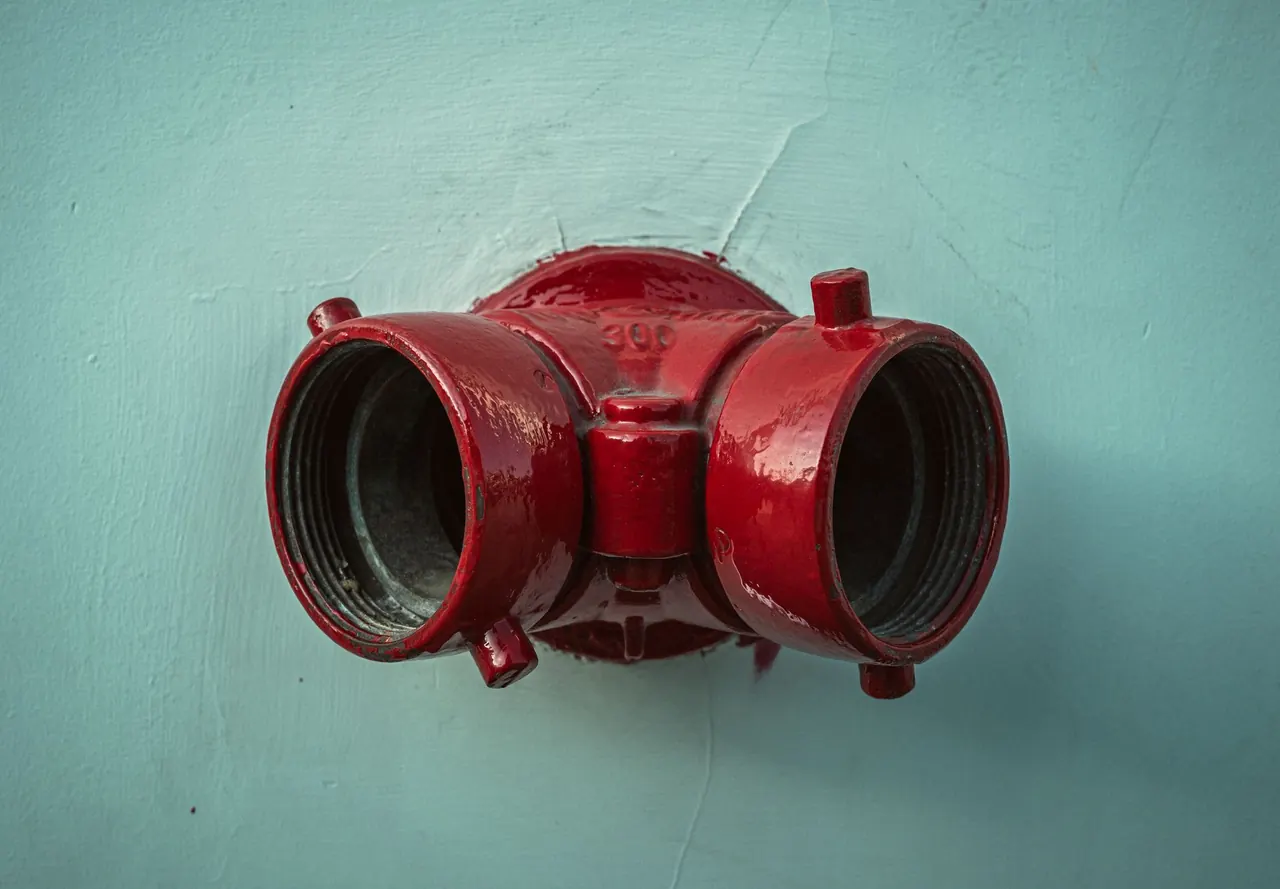
Acoustic and pressure tools that pinpoint a slab leak or underground burst without breaking up the whole floor.
Thermal views are illustrative, generated from the photographs.
Pulls standing water out of basements and crawlspaces after a burst, so the space can start drying immediately.
We restore water and hold full house pressure for 15 minutes before closing any wall. If the gauge drops, we find the weep and redo the joint. This is how we know the repair is sound, not just looks dry.
We repair copper with copper, PEX with PEX, and galvanized with a proper transition fitting. Mixing materials without the right dielectric union causes corrosion and a repeat leak within a year.
Every repair meets the Illinois Plumbing Code and is inspected where required. We use approved fittings from SharkBite, Uponor, NIBCO, and Watts, and we follow Cook County inspection standards on older homes.
After the repair, we vacuum standing water, set air movers on wet joists and subfloor, and check moisture with a meter. Drying the space is part of the job, not an add-on, because mold starts in 48 hours.
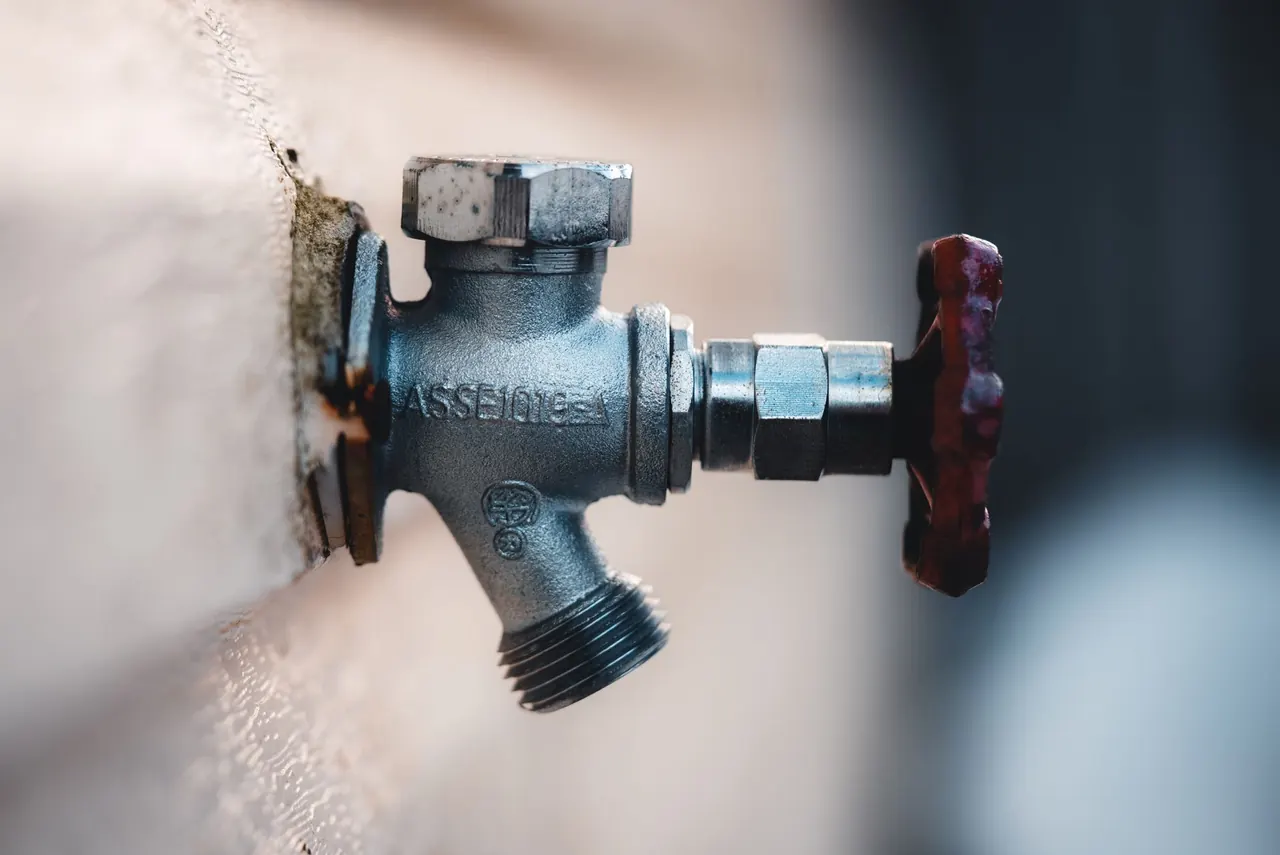
You hear water running in the basement at 2 a.m. during a January cold snap.
Call (708) 776-9512. We walk you to the main shutoff, then dispatch a plumber with a pipe thawing machine and repair fittings. We cap the line to stop the flooding, then rebuild the split section properly.
Outcome: Water stops within minutes of the shutoff, the line is repaired the same night or first thing in the morning, and the basement is vacuumed and drying before mold can start.
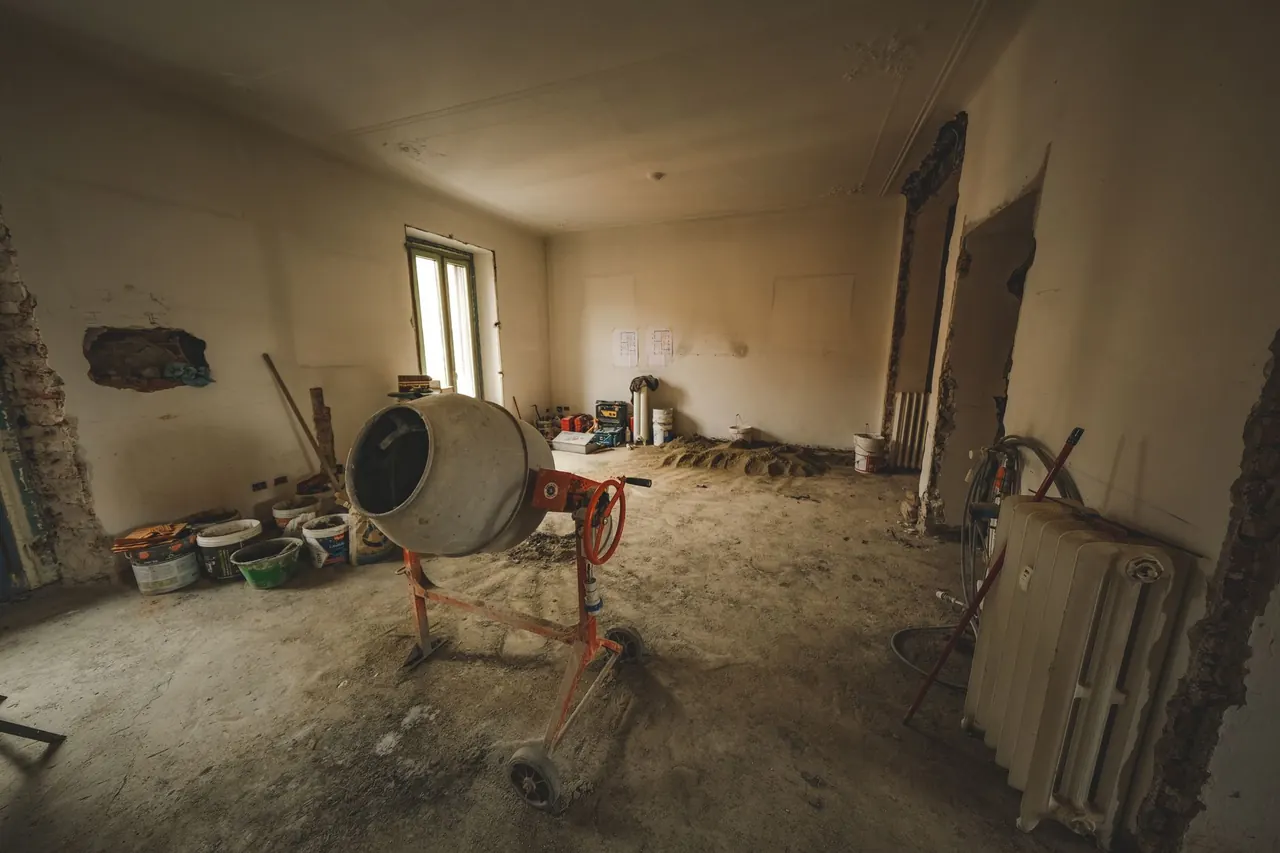
A ceiling stain appears under the second-floor bathroom in your 1920s two-flat.
We trace the leak with a thermal imaging camera, open one small access panel, and repair the failed joint or split copper. We pressure-test before closing and photograph the repair for your records.
Outcome: The leak is fixed with minimal plaster damage, the ceiling dries without spreading, and you have photos showing exactly what was replaced behind the wall.
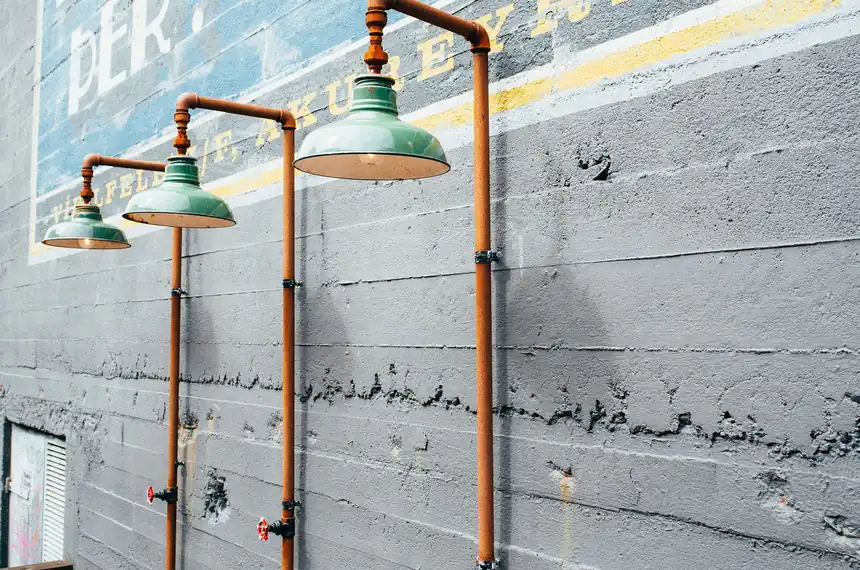
Your galvanized supply lines have leaked three times in two winters.
We replace the corroded run with copper or PEX instead of patching it again. We match the existing routing, insulate the new line, and check the rest of the system for the same weakness.
Outcome: No more repeat leaks on that run. You get a system that holds pressure, and a clear picture of which other sections may need attention next.
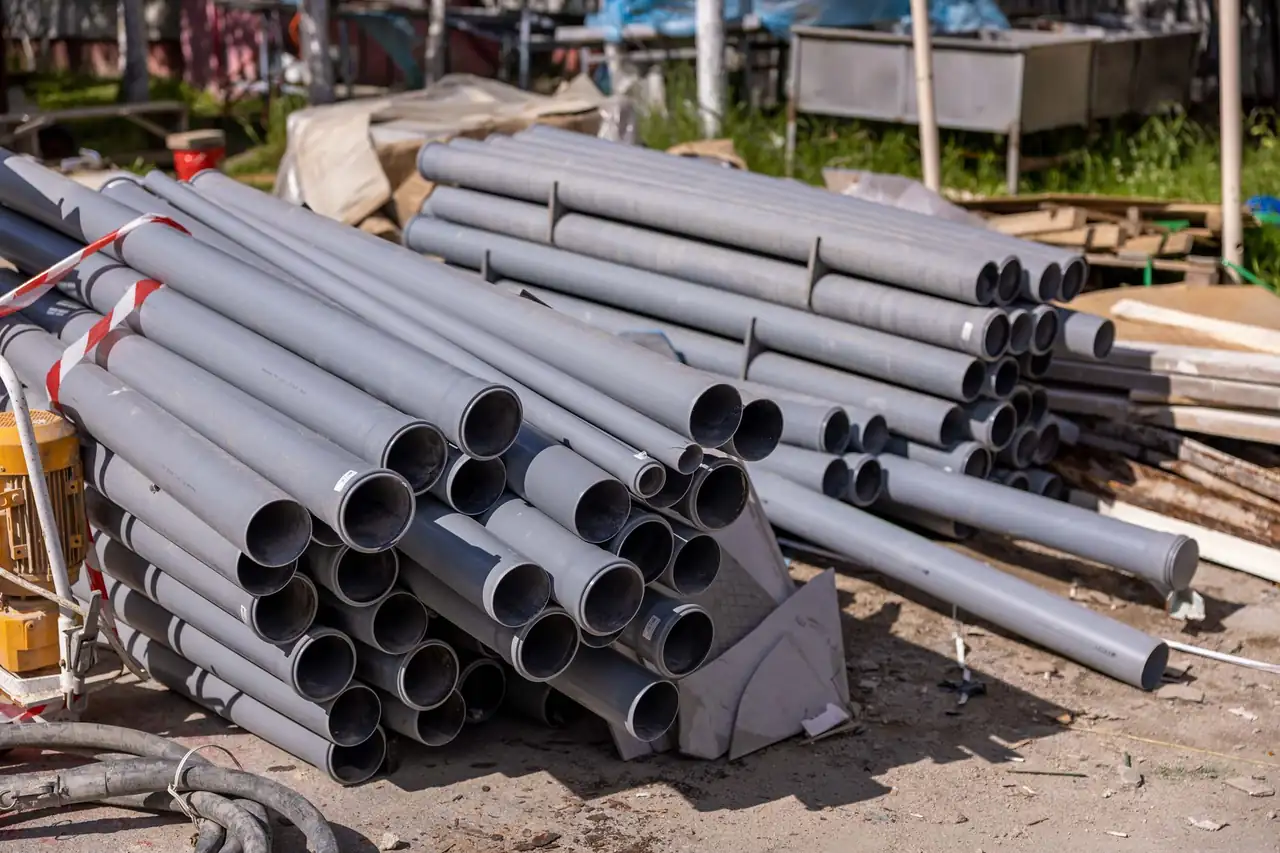
You come home from a holiday trip and find the basement floor under an inch of water.
We shut the water, find the burst line, repair it, and vacuum the standing water. Air movers go on the joists and subfloor, and we check the furnace and water heater for water damage before we leave.
Outcome: The leak is stopped, the water is removed, and the space dries without mold. You get a written summary of the repair and the dry-out for your insurance claim.
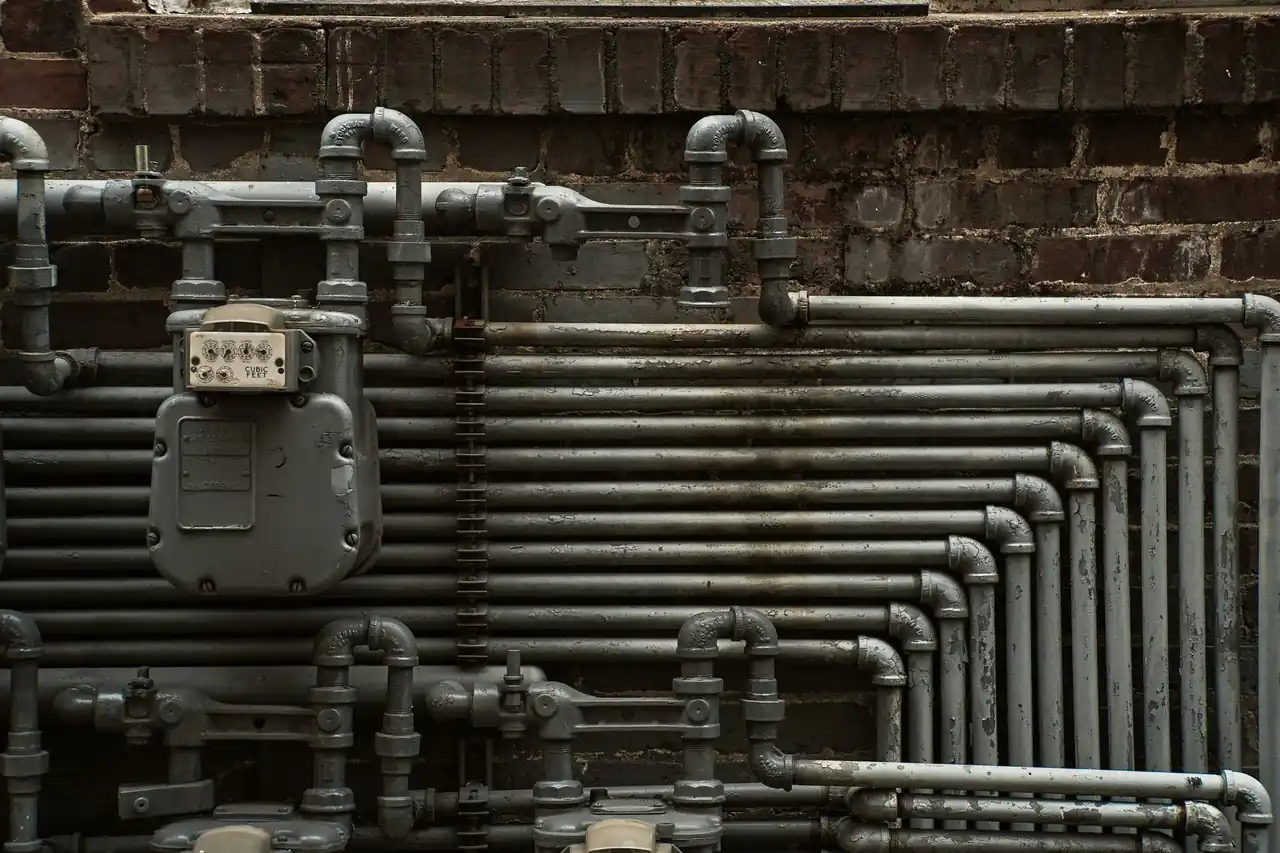
A rental unit calls at midnight with water pouring through the first-floor ceiling.
We answer, walk the tenant to the shutoff, and dispatch a plumber. We isolate the unit, cap the line, and repair it the same night where access allows. The landlord gets photos and a summary.
Outcome: Tenant damage is minimized, the line is repaired, and the building owner has documentation for the insurance claim and for planning the next repair.
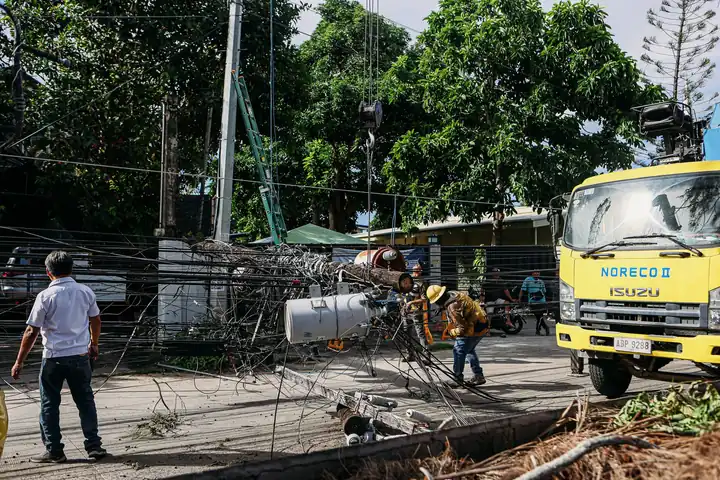
Berwyn's housing stock was mostly built between 1900 and 1950, and that shapes every repair. The supply lines are often original galvanized steel, the basements are unfinished and unheated, and the walls are plaster and lath rather than drywall. When a Cook County cold snap drops temperatures into the single digits, those unheated basements hit freezing fast, and galvanized lines split at the threads.
We see the same pattern every January: a burst on the north wall of a bungalow near Proksa Park, or a split copper joint in a two-flat near Morton West. The repair itself is straightforward once we find it, but finding it in an old house takes a thermal imaging camera and experience with the era's routing.
If you need old house pipe repair in berwyn, Illinois, we know where the lines run and which walls to open first. We also work with Cook County inspectors regularly, so we know what they want to see on an older-home repair. That means fewer surprises and a faster sign-off.
Before: A 1924 bungalow had leaked three times in two winters from the same galvanized run. The basement was unheated, the pipe was rusted through at the threads, and the homeowner was patching it each time with tape and clamps.
After: We replaced the corroded run with copper, insulated it, and pressure-tested at full house pressure. No leaks through the following winter. The repair took four hours and cost less than the three emergency patches combined.
Keep the basement above freezing and check the new line each fall for condensation. If you see green or white crust on a fitting, call us before it becomes a leak.
Before: A two-flat had a ceiling stain spreading under the upstairs bathroom. The copper joint behind the wall had split from high water pressure, and the tenant had not noticed the slow leak until the plaster was soft.
After: We located the split with a thermal camera, opened one small panel, soldered in a new copper section, and pressure-tested for 15 minutes. The ceiling dried without spreading, and we installed a pressure-reducing valve to protect the rest of the system.
Check house pressure once a year. If it runs above 80 psi, the valve needs adjusting. Watch for new ceiling stains after a hard freeze.
Before: A post-war ranch had a PEX line freeze in the crawlspace during a January cold snap. The homeowner heard water running at 2 a.m. and found the crawlspace flooded. The line had split at a fitting.
After: We shut the water, thawed the line, cut out the split fitting, and replaced it with a new Uponor connection. We vacuumed the standing water, set air movers, and insulated the run. The crawlspace was dry within 24 hours.
Seal crawlspace vents before winter and insulate any exposed PEX. If the crawlspace drops below freezing, a small space heater on a thermostat can prevent the next split.
Older homes fail in patterns. These are the calls we run most often, and what happens when they are ignored.
A tested repair and a dry space, done in one visit.
A burst pipe can dump 10 to 20 gallons a minute into a basement. We run same-day emergency burst pipe repair older homes berwyn calls seven days a week, including holidays, and we carry the fittings to cap a line on the first visit so the flooding stops before we rebuild.
Galvanized steel, leaded joints, undersized copper, and knob-and-tube era routing all behave differently. We map the line with a thermal imaging camera before cutting, so we open one wall instead of three. That saves you plaster, paint, and a week of dust.
Every repair meets the Illinois Plumbing Code and is inspected where required. We use SharkBite, Uponor, NIBCO, and Watts fittings that match the existing material, and we pressure-test the line before the drywall goes back. No shortcuts behind the wall.
Fixing the pipe is half the job. We pull standing water with a wet/dry vacuum, set air movers, and check the ceiling and floor joists for saturation. Left wet, a basement burst can turn into mold in 48 hours. We leave the space dry, not just repaired.
What a written scope covers and what shapes it. Prices are set by the business after the first look.
Included
Depends on
Clear records you can keep and share.
Images of the failed pipe and finished repair
What was replaced and the pressure test result
Where water was removed and equipment left
Other weak spots we noticed on the line
We work on the same housing stock every week: 1920s bungalows, two-flats near Morton West, and post-war ranches with original galvanized supply lines. We know which blocks still have lead service lines, which basements flood first, and how Cook County inspectors want to see a repair finished.
Thermal imaging and leak detection equipment used on every call.
Experience with copper, PEX, PVC, CPVC, and galvanized steel pipe.
Familiar with Cook County inspection requirements for older homes.
A list like this tells people straight away whether you cover their street. Not listed? Call and ask: it only takes a minute.
Based in berwyn and covering the places around it. Pick one for local details.
A simple exposed basement line is on the low end. A wall or ceiling repair with dry-out pushes toward the top. If the failed section is corroded galvanized and needs a longer replacement run, expect more. We quote before we cut.
We do. berwyn Burst & Frozen Pipe Specialists handles old house pipe repair berwyn IL calls daily, from galvanized supply lines to brittle copper joints. Call (708) 776-9512 and we will get eyes on it the same day.
Three reasons: galvanized steel corrodes from the inside until the wall is paper-thin, copper work-hardens and splits at joints, and unheated basements drop below freezing during a Cook County cold snap. Add high water pressure pipe failure and you have a line that lets go at 2 a.m. in January. Age plus pressure plus cold is the recipe.
Call (708) 776-9512, shut the main valve if you can find it, and we will be on the way. We cap the line first to stop the flooding, then rebuild the section properly. Same-day service across Berwyn, Cook County, and the surrounding blocks.
Other services from the same team.
Shut the main valve, call (708) 776-9512, and we will be on the way. We stop the water, repair the line, and dry the space. Same-day service across Berwyn and Cook County, with upfront pricing before we cut.
One number reaches a plumber, not a call center. Call (708) 776-9512 any hour and we will help you shut the water off, then get a truck headed to your address. Most berwyn calls get a plumber on site within the hour.